How to Choose the Right Electric Hoist for an Overhead Crane System?
September 11, 2026
Selecting the correct lifting mechanism for an overhead crane requires matching equipment specifications to load weights, duty cycles, and environmental conditions. Plant engineers and procurement managers evaluate lifting height, trolley span, travel speed, and power supply parameters during the selection process. An incompatible unit causes premature mechanical wear, operational bottlenecks, and severe safety hazards on the factory floor. Careful analysis of facility requirements ensures long-term reliability and optimizes material handling efficiency across industrial workflows.
For example, a busy automotive stamping plant needs a high-speed lifting device to handle heavy steel dies repeatedly throughout multi-shift production runs. In contrast, a chemical processing facility requires specialized safety compliance to prevent sparks in explosive atmospheres containing flammable gases. Another practical instance involves a food processing plant requiring corrosion-resistant materials to withstand frequent washdown procedures with harsh sanitizing chemicals. Evaluating these specific operational demands guides technical buyers toward the correct equipment configuration.
Analyzing Load Capacity and Working Duty Cycles
Determining maximum load capacity represents the primary step when selecting any lifting machinery for an industrial bridge crane. Engineers must calculate the heaviest anticipated weight and add a safety margin to prevent structural overload situations. Exceeding rated capacity damages gear trains, stretches wire ropes, and strains motor windings beyond safe thermal thresholds.
Duty cycle classifications define how many operating hours and lifting cycles a motor can sustain without overheating. Heavy manufacturing facilities require high duty classifications to support continuous, multi-shift production schedules without thermal shutdowns. Selecting an inadequate duty rating leads to frequent motor burnouts and expensive production downtime.
- Calculate maximum expected load weight including rigging and attachments.
- Add an operational safety margin to accommodate dynamic load factors.
- Match motor duty classifications to daily production lift frequencies.
- Evaluate FEM or ISO duty group ratings to ensure motor longevity.
Evaluating Lift Height and Hook Travel Speeds
Lift height requirements dictate the length of the wire rope or load chain required on the drum assembly. Facility managers measure the vertical distance from the floor to the bridge crane beam to determine proper drum capacity. Inadequate drum storage causes rope overlapping, severe cable crushing, and premature strand failure during high lifts.
Travel speeds significantly impact material handling throughput across expansive warehouse and manufacturing bays. Dual-speed motors allow operators to position delicate components slowly while moving bulk materials rapidly across long distances. Matching lifting and trolley travel speeds to workflow requirements prevents operational bottlenecks and improves overall plant productivity.
Power Supply and Electrical Control Integration
Industrial facilities operate on various electrical voltage standards that dictate motor winding configurations and control circuit layouts. Procurement teams verify local power availability before ordering equipment to prevent expensive electrical transformer modifications. Modern systems incorporate low-voltage pendant controls or wireless radio transmitters to protect operators from electrical shock hazards.
Control panels feature reliable electromagnetic contactors, phase-loss protection relays, and thermal overload sensors to safeguard internal components. Integrating limit switches prevents the hook block from over-traveling and striking the drum housing during intensive operations. Proper electrical integration ensures safe stopping and smooth acceleration under full load conditions.
- Verify local plant voltage and phase configurations before ordering.
- Install low-voltage control pendants or wireless radio remote systems.
- Incorporate phase-loss protection relays to prevent motor rotation reversal.
- Set upper and lower electrical limit switches to stop over-travel safely.
Environmental Conditions and Hazardous Area Classifications
Operating environments dictate material specifications, enclosure protection ratings, and specialized engineering design requirements for lifting devices. Dusty environments require totally enclosed fan-cooled motors and sealed gearboxes to prevent abrasive particulate ingress. High-humidity and corrosive locations demand stainless steel components to prevent rust formation and structural degradation.
Specialized chemical plants and oil refineries require certified equipment to operate safely in volatile, explosive atmospheres. For explosive gas or dust environments, facilities install an Explosion-proof Electric Chain Hoist featuring non-sparking alloys and explosion-proof enclosures. Similarly, cleanroom and food processing applications utilize a Stainless Steel Electric Hoist to resist chemical sanitization and prevent particulate contamination.
- Assess ambient operating temperatures and humidity levels in the facility.
- Specify IP enclosure ratings based on dust and moisture exposure risks.
- Select explosion-proof models for volatile chemical or petroleum environments.
- Choose corrosion-resistant materials for washdown and food processing areas.
Ready to upgrade your material handling infrastructure? Contact our team today to discuss your technical specifications and lifting requirements.
Structural Compatibility and Runway Beam Integration
The physical dimensions of the overhead crane bridge girder dictate the mounting style of the lifting mechanism. Low-headroom configurations maximize vertical lifting clearance in facilities with restricted ceiling heights and tight spatial constraints. Engineers verify beam flange widths and runway rail profiles to ensure smooth trolley movement without binding.
Distributing equipment weight evenly across trolley wheels prevents localized wear on the overhead runway track. Proper alignment reduces friction and lowers the motor power required to traverse heavy loads across the bay. Consulting with structural engineers ensures that existing support buildings can safely bear the combined weight of the crane and load.
- Measure bridge girder flange widths to ensure correct trolley fit.
- Select low-headroom models for facilities with restricted vertical clearance.
- Verify runway rail alignment to prevent binding during traverse movements.
- Distribute equipment weight evenly across all trolley support wheels.
Table 1: Technical Selection Parameters for Overhead Cranes
| Parameter | Standard Industrial Application | Specialized Environment Application |
| Motor Enclosure | IP54 dust and splash resistant | IP55 or IP66 severe washdown protection |
| Operating Duty | FEM 1Am to 2m (Medium duty) | FEM 3m to 4m (Heavy continuous duty) |
| Material Build | Carbon structural steel frame | Stainless steel or non-sparking alloys |
| Control Voltage | 48V or 110V control circuits | Intrinsically safe low-voltage controls |
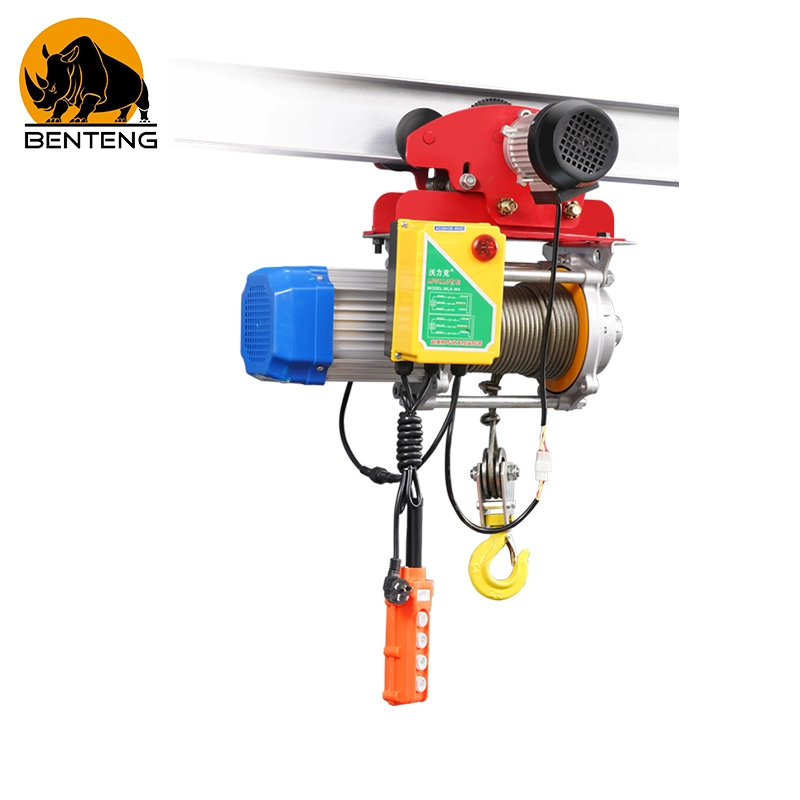
Integrating an electric hoist into an existing industrial workflow requires careful planning and precise mechanical installation. Technicians anchor mounting brackets securely, connect power feeds, and test emergency braking systems before initial load testing. Proper commissioning ensures that every motorized hoist operates smoothly within established safety parameters.
Plant managers maintain optimal equipment performance by establishing rigorous preventive maintenance schedules for all machinery. Routine inspections check gearbox lubricant levels, measure brake disc wear, and test safety limit switches monthly. Utilizing a heavy-duty electric lifting hoist supported by consistent maintenance prevents unexpected failures and extends asset lifespan.
Deploying a reliable industrial electric hoist protects plant personnel and safeguards valuable inventory throughout daily operations. Procurement teams coordinate closely with equipment manufacturers to select reliable components matched to specific plant requirements. Investing in robust material handling solutions reduces long-term operational costs and improves overall facility safety.
Frequently Asked Questions
What parameters matter most when choosing a lifting mechanism?
Load capacity, lift height, duty cycle ratings, and environmental conditions matter most when selecting equipment.
Why is duty cycle an important factor for buyers?
Duty cycle defines how long a motor can operate within a specific timeframe without overheating or sustaining damage.
How do low-headroom models benefit industrial facilities?
Low-headroom models maximize vertical lifting clearance in buildings with restricted ceiling heights.
What maintenance tasks extend the lifespan of lifting machinery?
Regular lubrication, monthly brake inspections, and electrical contact checks prevent premature component wear.
Benteng manufactures reliable material handling machinery and engineered lifting systems for global industrial facilities and manufacturing plants. Our production facilities specialize in building durable equipment solutions that meet rigorous international safety and quality standards. We manage every phase of the manufacturing process, from raw structural steel cutting to final electrical load testing. Our engineering teams help B2B procurement managers secure dependable machinery tailored to demanding operational environments.
References:
- Occupational Safety and Health Administration. Overhead and Gantry Cranes Safety Standards. https://www.osha.gov
- Crane Manufacturers Association of America. Specifications for Top Running Bridge Cranes. https://www.mhi.org/cmaa
- International Organization for Standardization. Cranes and Hoists Safety Standards. https://www.iso.org