
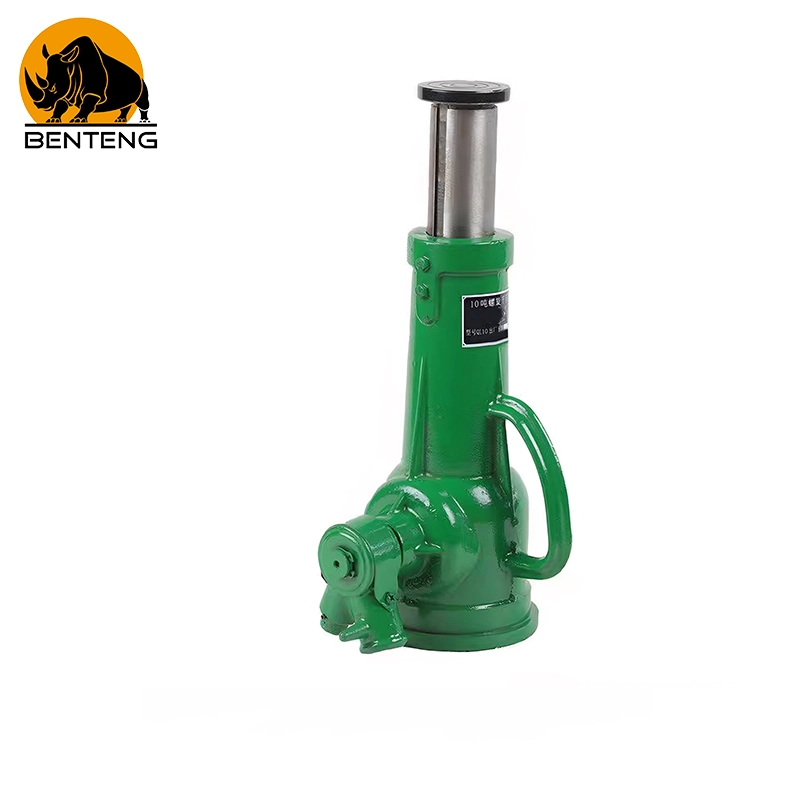
Jack
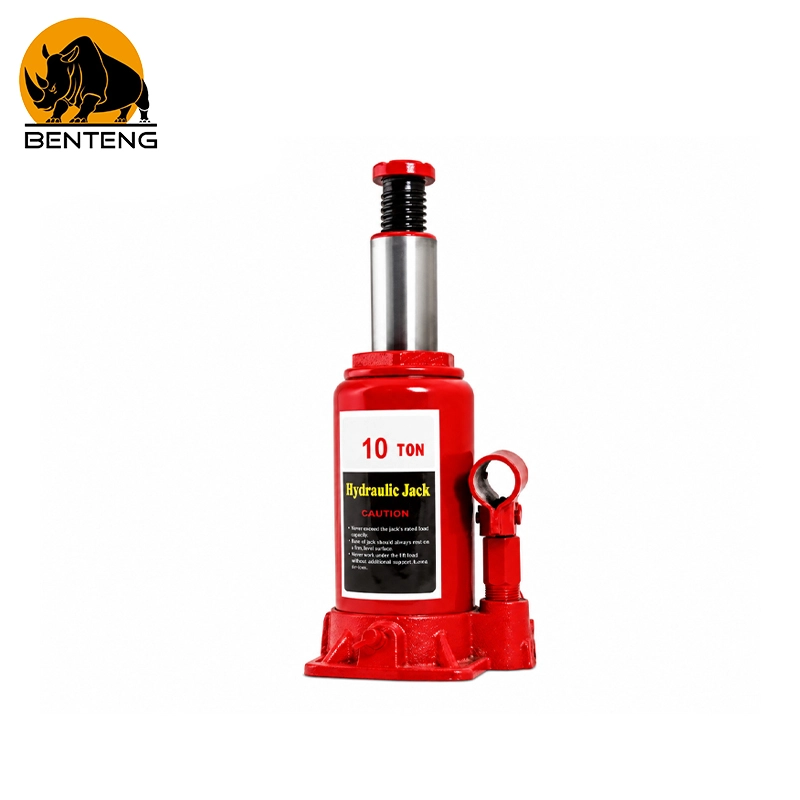
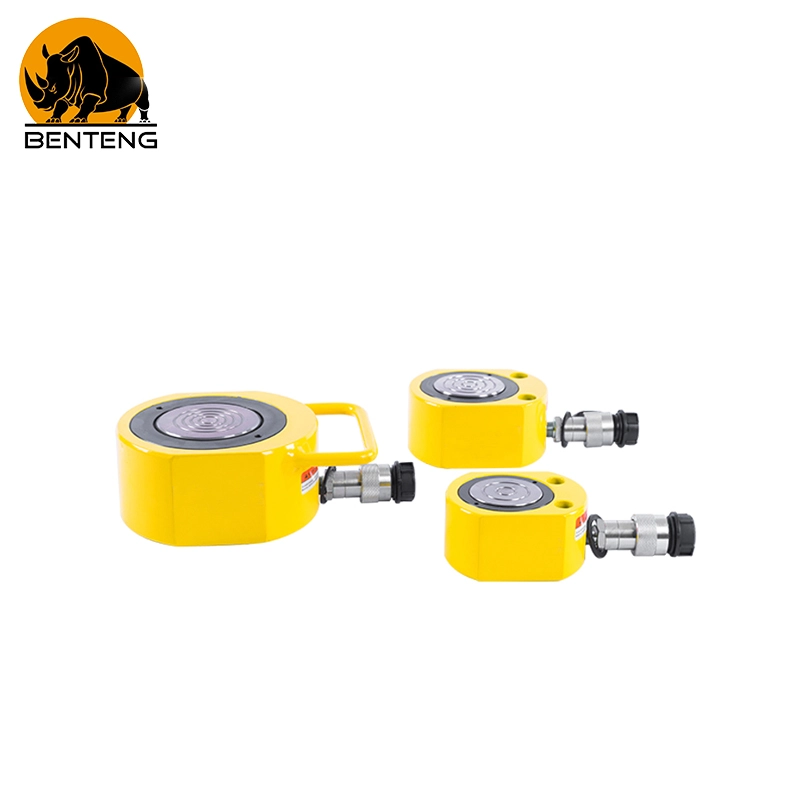
Hydraulic Jack FAQ
1. What is a hydraulic jack?
A hydraulic jack is a lifting tool that uses hydraulic pressure to lift heavy loads with less manual effort.
It is widely used in:
- Automotive repair
- Machinery maintenance
- Construction
- Industrial equipment installation
- Heavy machinery lifting
2. How does a hydraulic jack work?
A hydraulic jack uses hydraulic oil pressure to generate lifting force.
By operating the handle, hydraulic fluid pushes the piston upward, allowing the jack to lift heavy loads smoothly and safely.
3. How to choose the right hydraulic jack?
When selecting a hydraulic jack, consider:
- Lifting capacity
- Lifting height
- Minimum height
- Working environment
- Application requirements
Common capacities include:
- 2 Ton
- 3 Ton
- 5 Ton
- 10 Ton
- 20 Ton
- 50 Ton
- 100 Ton
Choose a jack with sufficient capacity according to your lifting requirements.
4. What capacity hydraulic jack do I need?
The required capacity depends on the weight of the load.
Common applications:
- Small vehicles: 2-5 Ton
- Trucks and heavy vehicles: 10-20 Ton
- Industrial equipment: 20 Ton+
Always choose a jack with a suitable safety margin and never exceed the rated capacity.
5. What is the difference between hydraulic jack and mechanical jack?
Hydraulic Jack:
- Higher lifting capacity
- Easier operation
- Suitable for heavy loads
- Smooth lifting performance
Mechanical Jack:
- Simple structure
- Lower maintenance requirements
- Suitable for light-duty applications
Hydraulic jacks are preferred for heavy industrial lifting applications.
6. What types of hydraulic jacks are available?
Common types include:
Bottle Jack
Suitable for:
- Vehicles
- Machinery maintenance
- General lifting applications
Hydraulic Floor Jack
Suitable for:
- Automotive repair
- Workshops
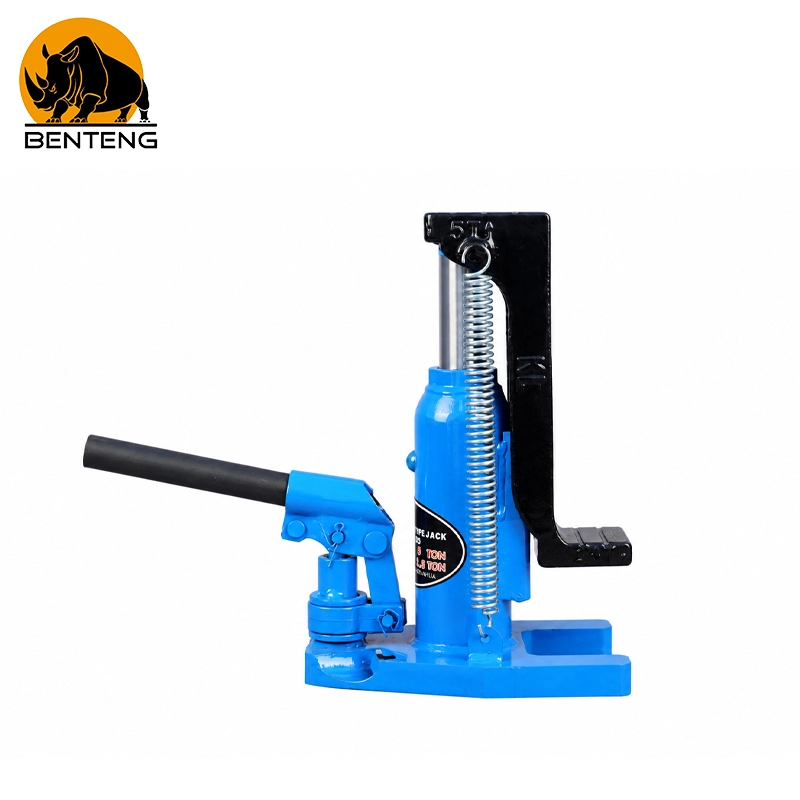
Toe Jack
Suitable for:
- Low-clearance lifting
- Machinery installation
Low Profile Hydraulic Jack
Suitable for:
- Limited space applications
7. How to use a hydraulic jack safely?
For safe operation:
✔ Check the jack before use
✔ Place the jack on a stable surface
✔ Do not exceed rated capacity
✔ Keep loads balanced
✔ Never work under a lifted load without proper support
Safety should always be the priority during lifting operations.
8. How to maintain a hydraulic jack?
Regular maintenance includes:
✔ Check hydraulic oil level
✔ Inspect for oil leakage
✔ Keep the piston clean
✔ Lubricate moving parts
✔ Store in a dry environment
Proper maintenance helps extend the service life.
9. Why is my hydraulic jack not lifting?
Common reasons include:
- Low hydraulic oil
- Air trapped in the hydraulic system
- Damaged seals
- Overloaded operation
Check the hydraulic system and repair damaged components if necessary.
10. Can hydraulic jacks be customized?
Yes.
Customization options include:
- Lifting capacity
- Lifting height
- Product color
- Logo
- Packaging
- Special applications
OEM services are available for distributors and industrial customers.
11. What information should I provide when requesting a quote?
Please provide:
- Jack type
- Lifting capacity
- Lifting height
- Quantity
- Application
- Certification requirements
This helps us recommend the most suitable hydraulic jack.
12. Why choose Benteng hydraulic jacks?
Benteng Hoisting provides reliable lifting equipment with professional manufacturing experience.
Our advantages:
✔ Factory direct supply
✔ Stable product quality
✔ Competitive prices
✔ OEM customization
✔ Export service support
Benteng Hoisting — Your Reliable Partner for Lifting Solutions.