
Hoisting Winch
Looking for reliable pulling and lifting equipment for your industrial operations? Benteng Hoist manufactures heavy-duty electric and manual winches built for demanding manufacturing, construction, and marine applications. Explore our high-efficiency product ranges or request a custom engineering solution tailored to your exact load and power requirements.
-
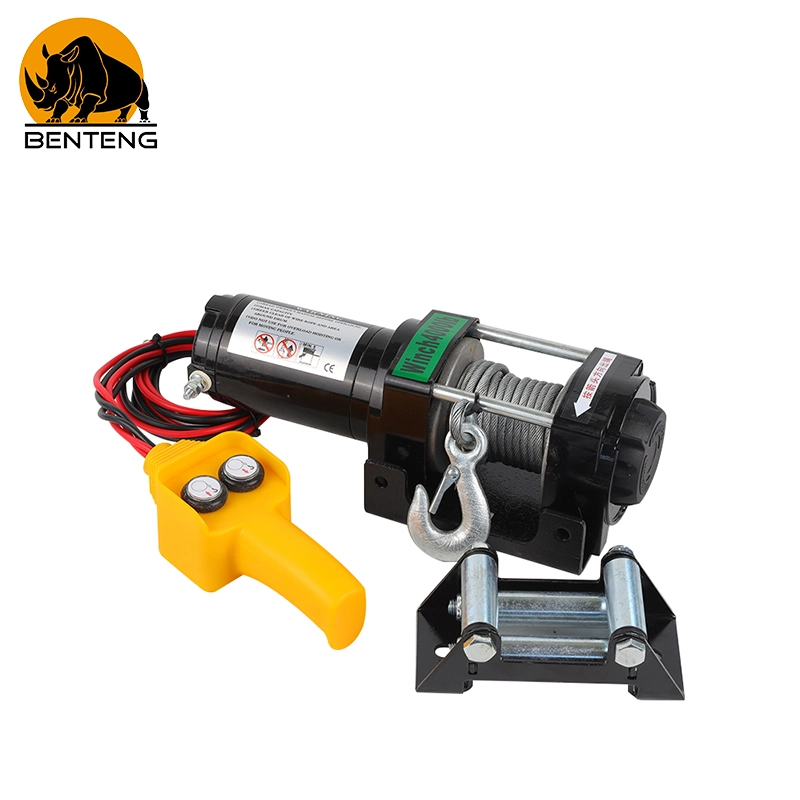
12V Electric Winch for Heavy Load Pulling
-
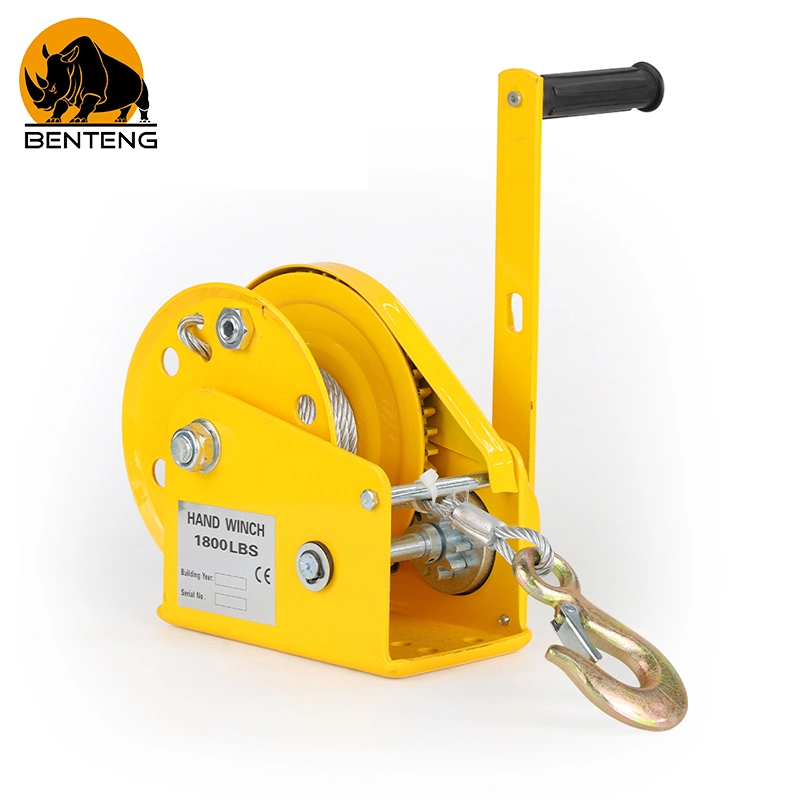
Hand Crank Winch
-
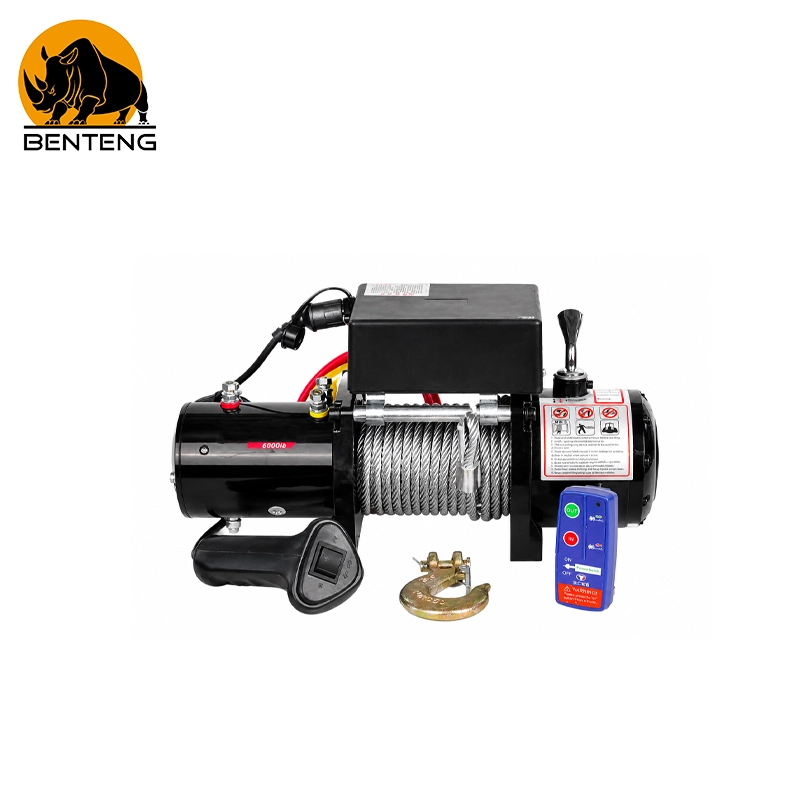
24V Electric Winch
-
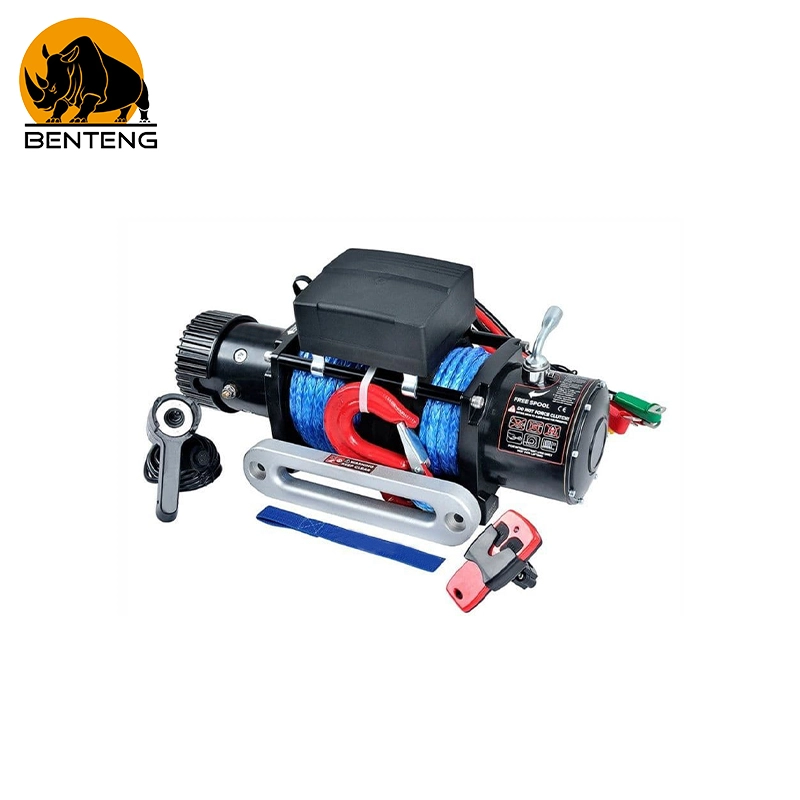
Dyneema Rope Electric Winch
-
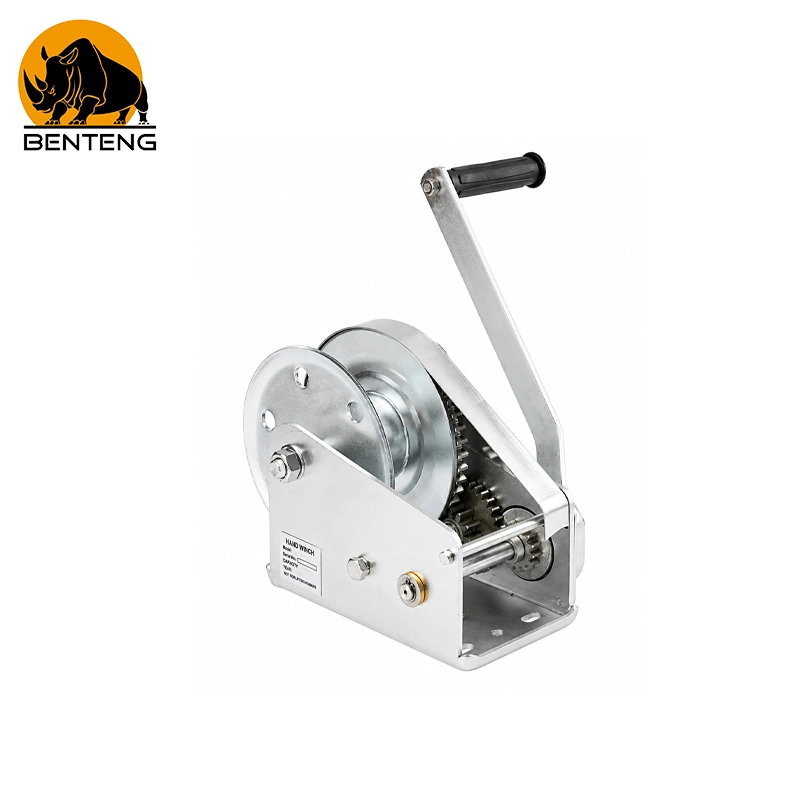
Stainless Steel Hand Winch
-
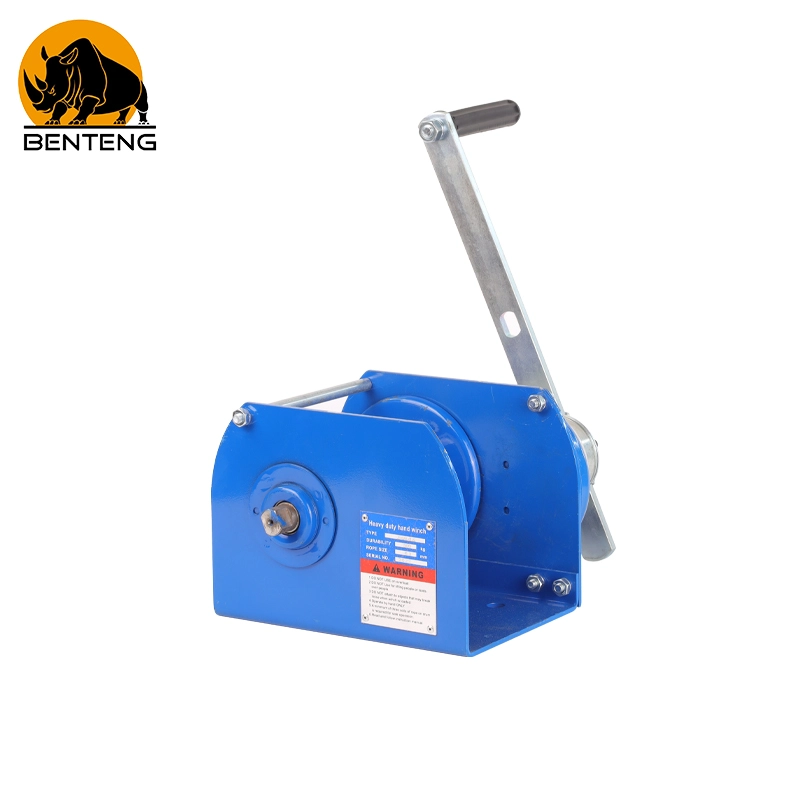
Heavy Duty Hand Winch
Industrial Hoisting Winches & Systems
As a professional lifting equipment supplier, Benteng Hoist provides industrial hoisting winch solutions designed for heavy-duty lifting, pulling, and positioning operations. Our product range includes high-performance electric winches and manual hand winches, supporting customized solutions for manufacturing, construction, warehouse, marine, and other material handling applications.
Backed by robust industrial hoisting equipment engineering, Benteng Hoist winches ensure safety, long-term durability, and reliable performance across demanding working environments.
Comprehensive Winch Product Range
Electric Hoist Winches
Electric winches are designed for high-frequency lifting and pulling operations where efficiency and load control are critical. Driven by powerful motors, they provide stable performance for continuous industrial applications, often featuring reliable remote control options for enhanced operational convenience.
-
Key Applications:
-
Manufacturing plants
-
Construction projects
-
Warehouses
-
Heavy equipment handling
-
Manual Hand Winches
Hand winches offer a practical lifting solution where electrical power is unavailable or unnecessary. Their compact design, simple manual operation, portability, and low maintenance requirements make them suitable for flexible pulling and positioning tasks.
-
Key Applications:
-
Maintenance work
-
Outdoor operations
-
Small lifting applications
-
Emergency handling
-
Electric Winch vs. Hand Winch: Performance Comparison
To help you determine which system best fits your operational requirements, review the core performance differences below:
| Feature / Specification | Electric Hoist Winches | Manual Hand Winches |
| Power Source | Electric motor (AC/DC power supply) | Manual human power (Crank handle) |
| Operation Frequency | High-frequency & continuous duty | Low-frequency & intermittent tasks |
| Lifting Capacity | Medium to heavy-duty (Several tons) | Light to medium-duty (Hundreds of kgs) |
| Portability | Fixed or semi-fixed installation | Highly portable and lightweight |
| Power Dependency | Requires stable electricity / generator | Off-grid capability (No electricity needed) |
| Primary Use Case | Production lines, large warehouses, construction sites | Field maintenance, outdoor setups, emergency pulling |
Key Advantages of Benteng Hoist Winches
Reliable Load Handling Performance
Designed for safe and stable lifting operations, Benteng Hoist winches help move heavy loads with controlled pulling and precise positioning.
Flexible Power Configurations
Available in both electric and manual configurations to meet diverse working environments, ranging from continuous industrial operations to portable off-grid lifting tasks.
Rugged Industrial-Grade Construction
Built with robust, high-grade components to withstand harsh conditions in factories, construction sites, and outdoor job sites as a dependable heavy duty winch.
Seamless System Integration
Designed for seamless integration with existing lifting equipment systems and material handling operations, our winches help improve workplace efficiency and reduce operational complexity.
Primary Industrial Applications
Benteng Hoist winches serve as versatile tools across multiple sectors requiring robust lifting and pulling performance.
| Industry | Hoisting Winch Applications |
| Manufacturing | Equipment installation, machine positioning, and production line maintenance |
| Construction | Building material lifting and job-site handling |
| Warehouse | Heavy load movement and cargo handling |
| Marine | Boat pulling, maintenance, and dock operations |
| Energy | Equipment installation and infrastructure maintenance |
Technical Selection Guide: Choosing the Right Winch
Selecting the right industrial winch depends on several operational variables. Evaluate the following factors to match your project requirements:
-
Load Capacity: Determine the maximum lifting load or pulling force required for your application to ensure a safe operating margin.
-
Power Source:
-
Choose an electric winch for continuous operation, high frequency, and effortless heavy lifting.
-
Choose a hand winch for simple, portable, and flexible lifting without reliance on electrical power.
-
-
Working Environment: Consider whether the unit will operate indoors or outdoors, the availability of a stable power supply, and the daily frequency of operation.
-
Installation Requirements: Verify mounting methods, available operating space, and required pulling directions.
Frequently Asked Questions
What is a hoisting winch used for?
A hoisting winch is a mechanical device used to wind up or let out wire rope or cable to lift, lower, or pull heavy loads. It is widely used in industrial lifting operations across manufacturing, construction, marine, and maintenance industries.
What is the difference between electric winch and hand winch?
The primary difference lies in the power source. An electric winch relies on a motor for automated, heavy-duty, and continuous lifting, whereas a hand winch uses human power via a crank handle, making it ideal for portable, low-frequency, or off-grid tasks.
Can a hoisting winch be customized?
Yes. As a direct material handling equipment manufacturer, Benteng Hoist provides custom industrial winch solutions tailored to specific load capacities, voltage requirements, line speeds, and special mounting dimensions.
How much weight can a hoisting winch lift?
Winch capacity varies significantly depending on the model configuration. Capacities range from lightweight hand winches handling a few hundred kilograms to heavy-duty electric-powered systems capable of pulling or lifting several tons. Always check specific product specifications for exact working load limits (WLL).