

Manual Hoist
Benteng Hoist supplies reliable manual hoist solutions for industrial lifting, maintenance, construction, and material handling applications.
With a complete product range covering manual chain hoists and lever hoists, Benteng Hoist helps global customers select suitable lifting equipment according to different working conditions.
Whether you need a portable lifting solution or heavy duty lifting equipment for industrial applications, Benteng Hoist provides reliable products, professional support, and customized solutions.
Contact Benteng Hoist today for product specifications, OEM solutions, and competitive quotations.
-
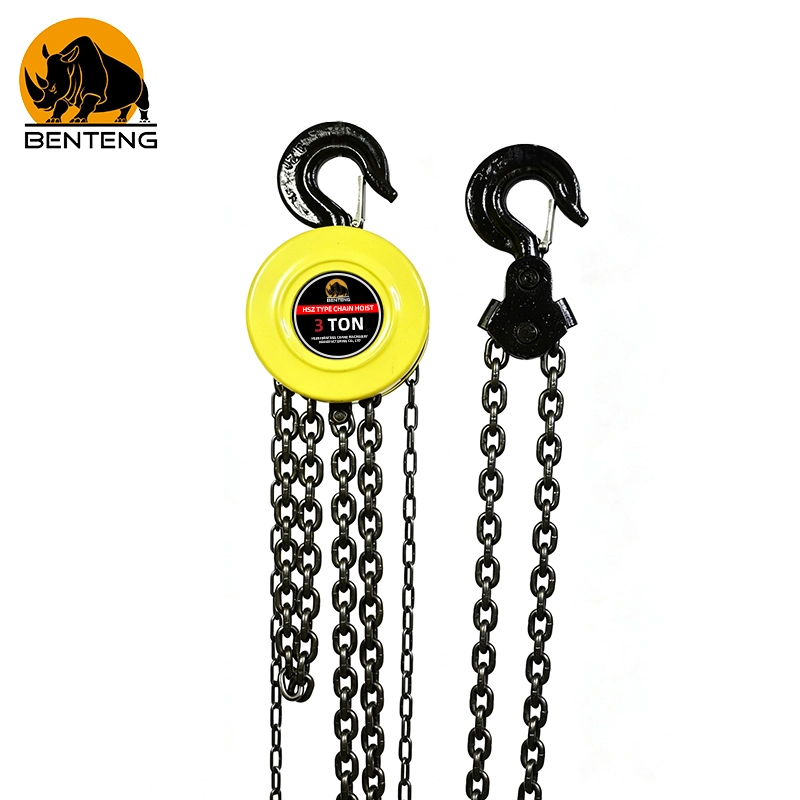
HSZ Round Manual Chain Hoist 0.5t–20t
-
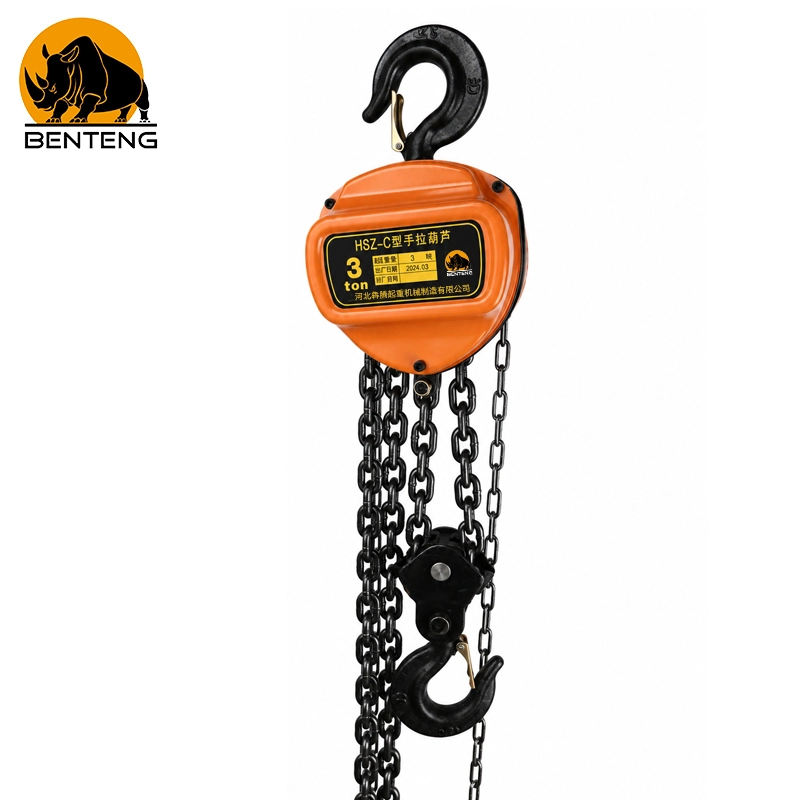
HSZ-C Triangular Manual Chain Hoist 0.5T–20T
-
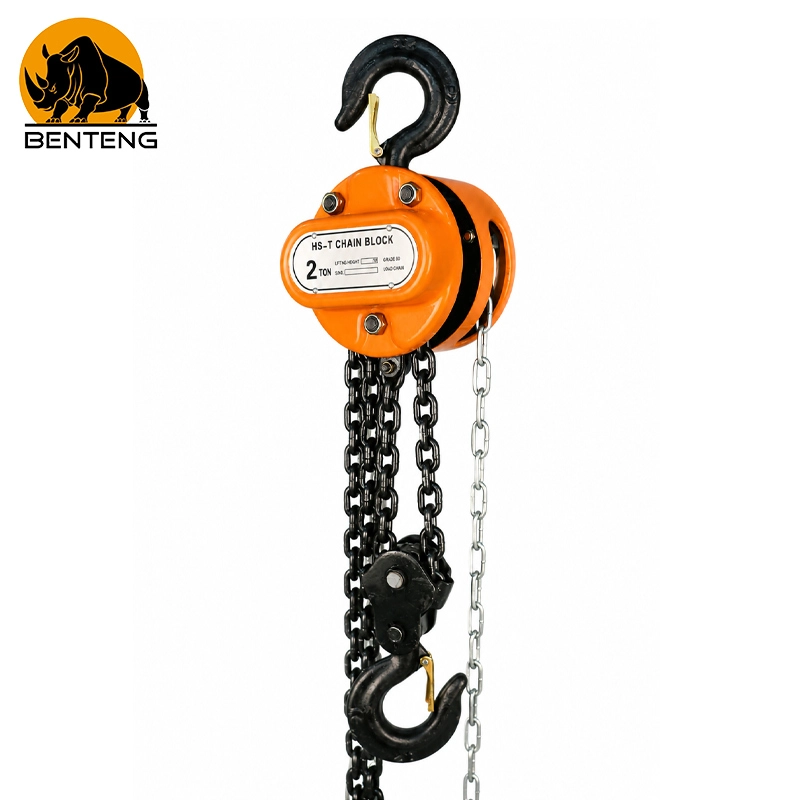
HS-T Lightweight Manual Chain Hoist 0.5T–30T
-
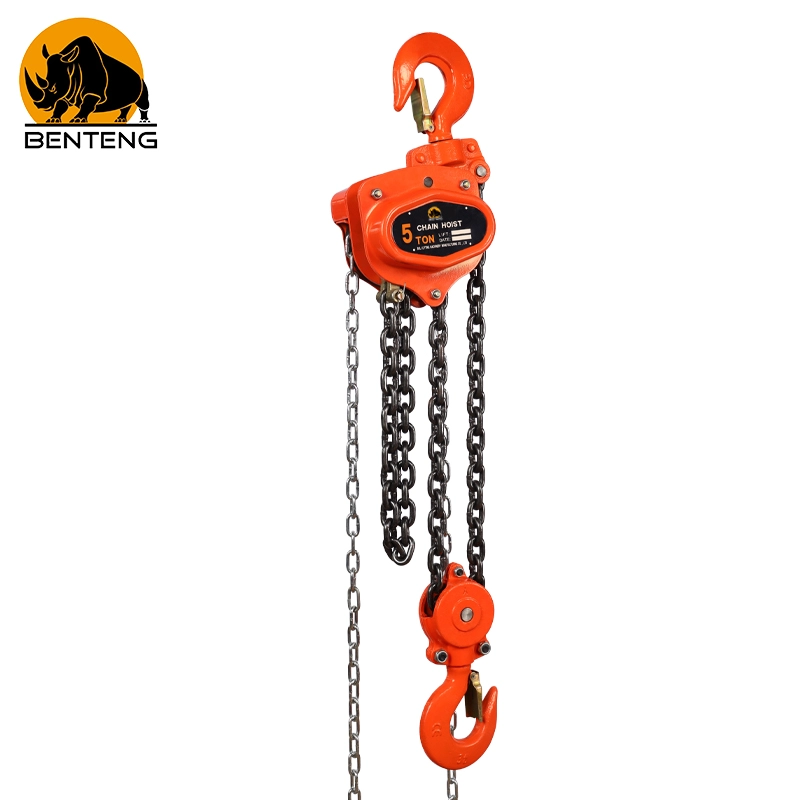
VT Heavy Duty Manual Chain Hoist 0.5T–20T
-
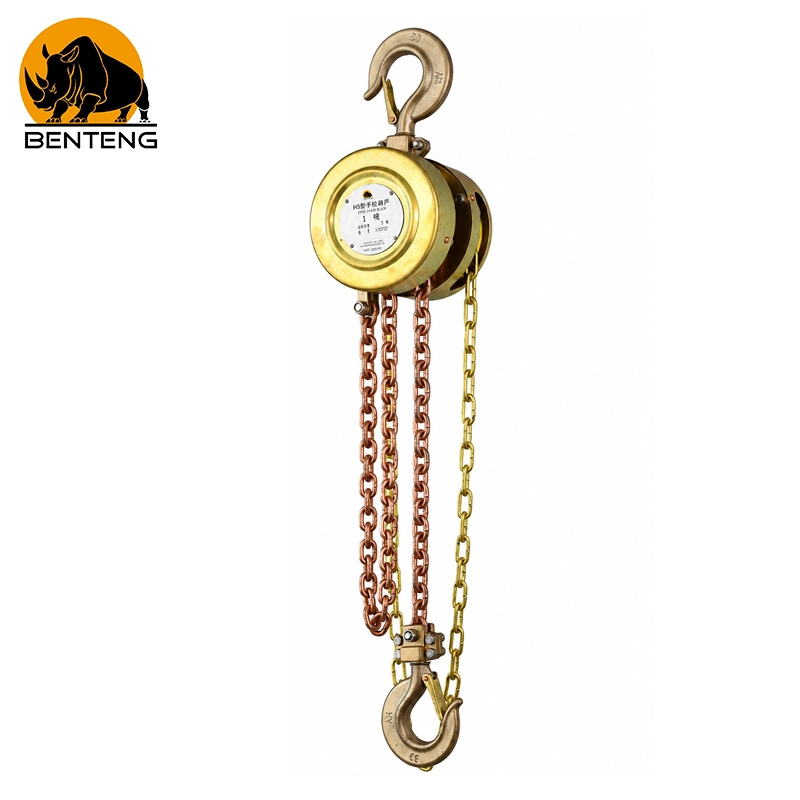
Explosion Proof Manual Chain Hoist 0.5T–20T
-
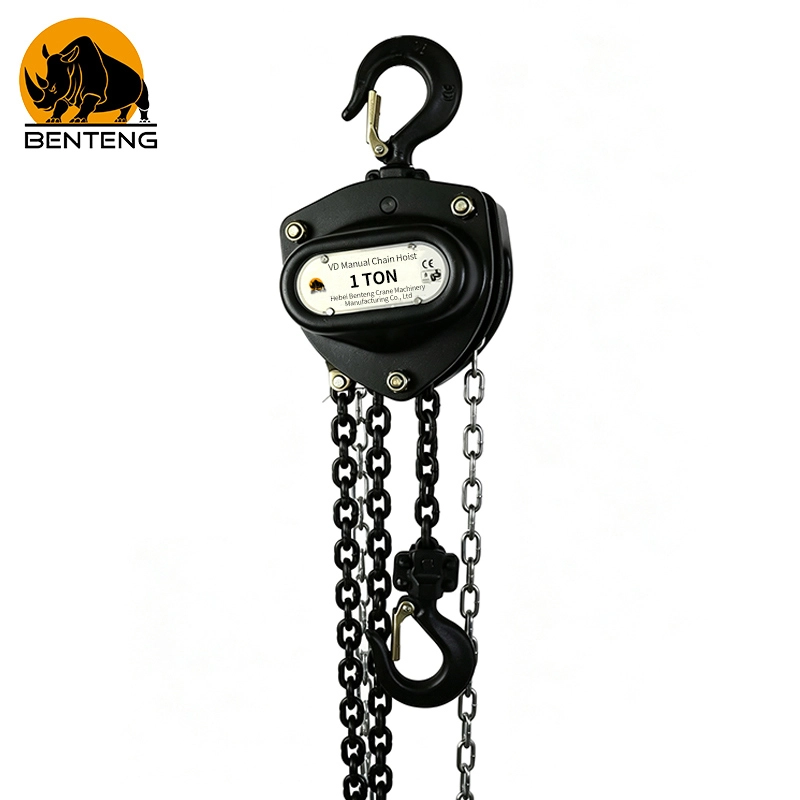
VD Stamping Steel Manual Chain Hoist 0.5T–5T
-
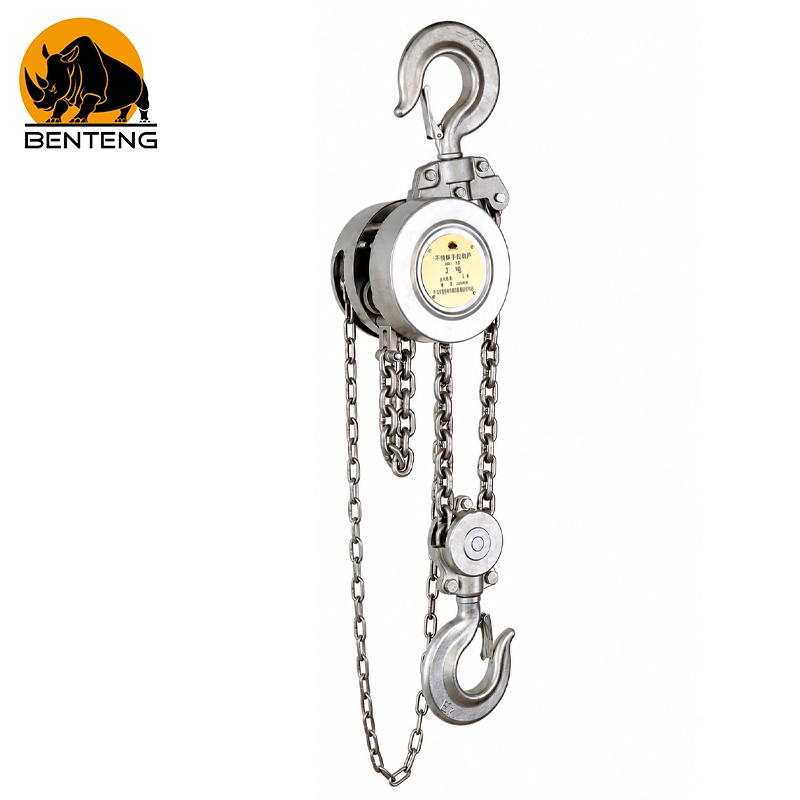
Stainless Steel Manual Chain Hoist 0.5T–10T
-
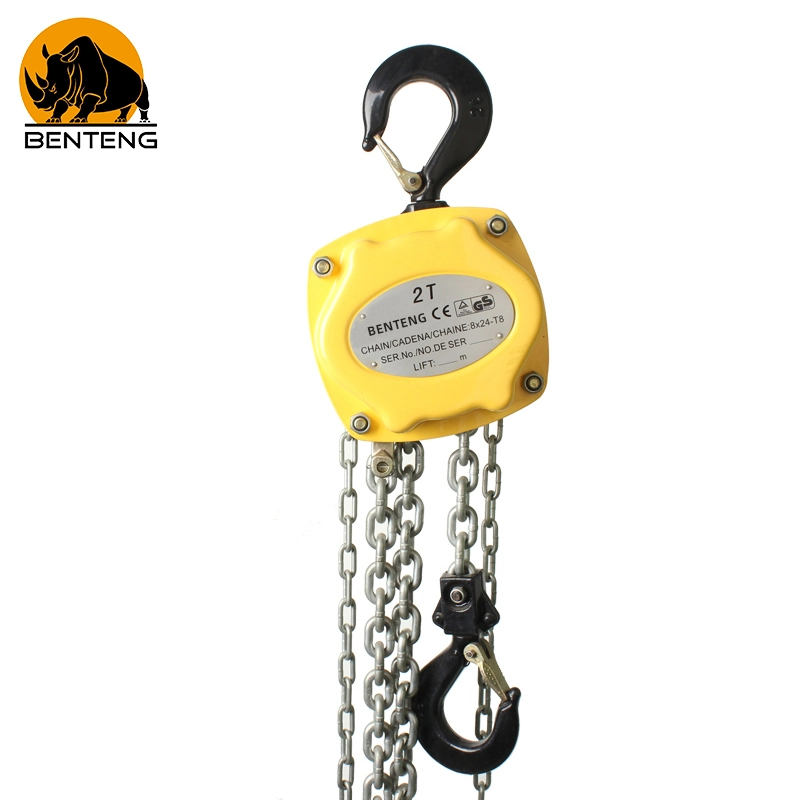
Compact Mini Chain Block 250kg–10T
-
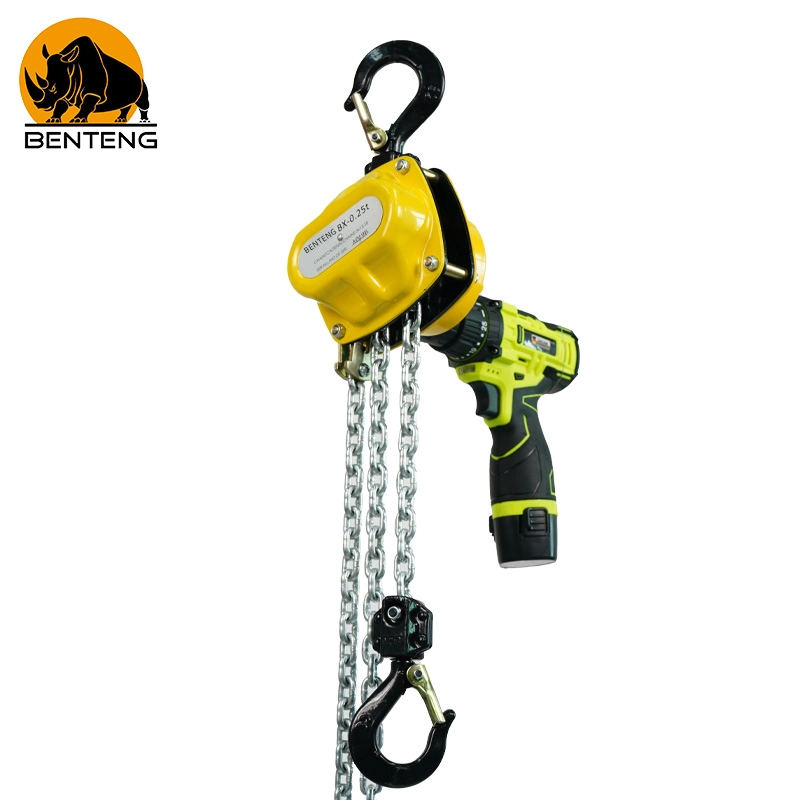
Dual-Mode Drill Powered Hoist 125kg–2000kg
-
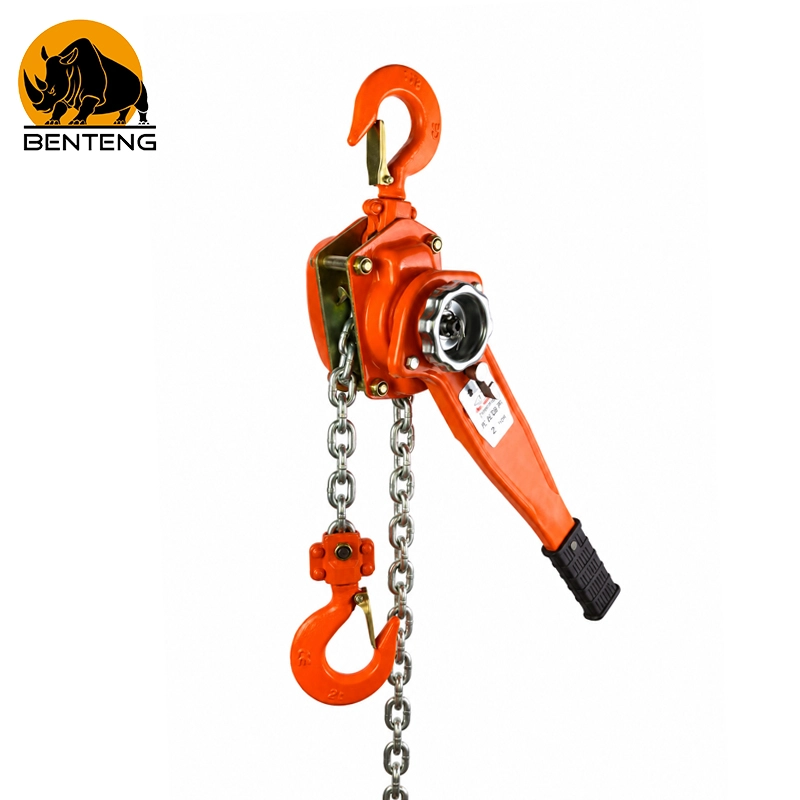
VA Lever Hoist
-
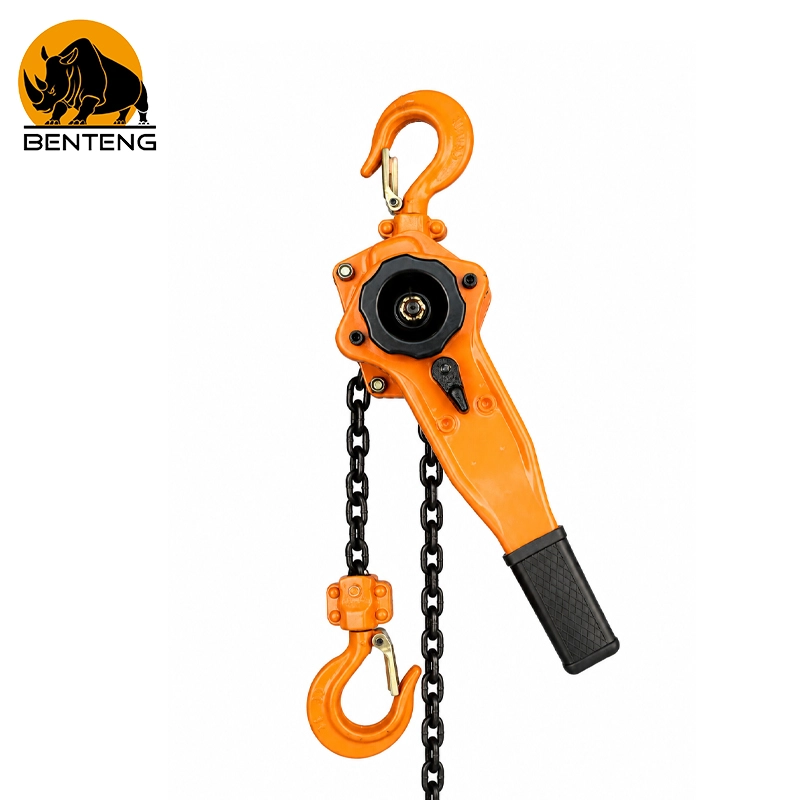
VL Lever Hoist
-
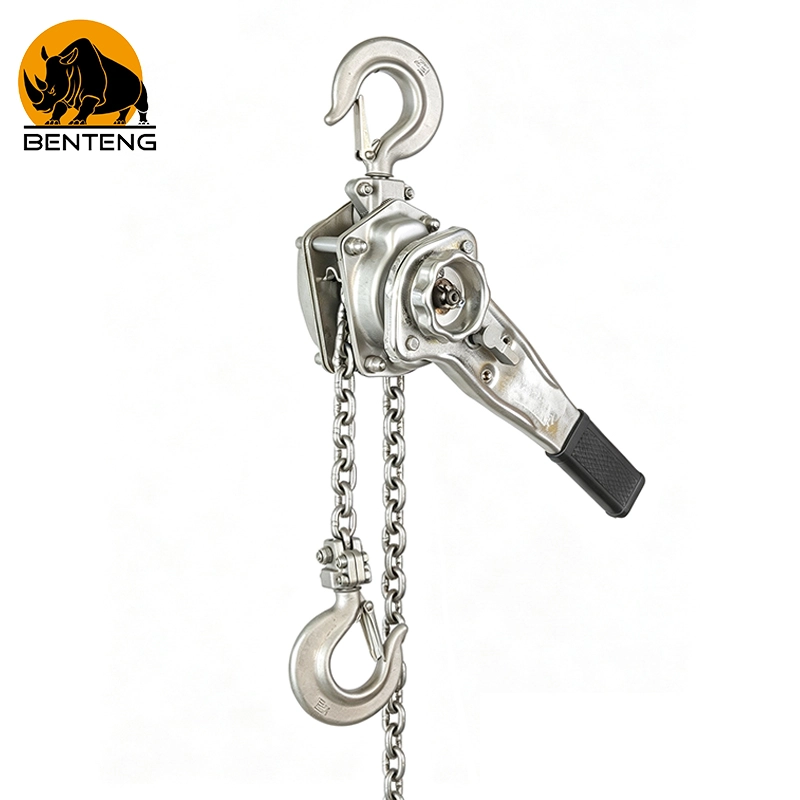
VA Stainless Steel Lever Hoist
Portable Manual Hoist Solutions for Industrial Lifting Applications
Benteng manual hoists provide portable lifting and load positioning where electrical power is unavailable or unnecessary. Manual chain hoists are designed mainly for vertical lifting, while lever hoists can lift, pull, tension and align loads in restricted spaces.
Designed for flexibility, durability, and reliable operation, Benteng Hoist manual lifting equipment is widely used in manufacturing plants, construction projects, equipment maintenance, shipyards, warehouses, and industrial service applications.
Compared with powered lifting equipment, manual hoists offer simple operation, low maintenance requirements, and excellent mobility. They are an ideal choice for applications requiring dependable lifting performance without a permanent power supply.
As an experienced China lifting equipment supplier, Benteng Hoist provides professional manual lifting solutions for global distributors, contractors, and industrial customers.
Manual Chain Hoist and Lever Hoist Comparison
Manual hoists are mainly divided into two categories: manual chain hoists and lever hoists. Choosing the right solution depends on the lifting direction, working environment, and operation requirements.
| Factor | Manual Chain Hoist | Lever Hoist |
|---|---|---|
| Main motion | Vertical lifting | Lifting, pulling and tensioning |
| Operation | Hand chain | Ratchet lever |
| Working position | Mainly fixed suspension | Flexible angles and confined spaces |
| Main selection data | Capacity, lift, effort, headroom, chain falls | Capacity, lever effort, headroom, lift |
Benteng Hoist Manual Lifting Product Range
Benteng Hoist provides two main types of manual lifting solutions:
Manual Chain Hoist
Designed for controlled vertical lifting, manual chain hoists are widely used for:
- Workshop maintenance
- Equipment installation
- Factory material handling
- Construction lifting
Learn more about our manual chain hoist solutions.
Lever Hoist
Designed for flexible lifting, pulling, and tensioning operations, lever hoists are suitable for:
- Machinery positioning
- Rigging operations
- Steel structure adjustment
- Confined working spaces
Manual Chain Hoist for Reliable Vertical Lifting
Benteng manual chain hoists are designed for controlled vertical lifting applications where reliable mechanical operation is required.
Also known as chain blocks or hand chain hoists, these products use a manual chain operation system to lift and position loads without electrical power.
For detailed specifications and product models, visit our manual chain hoist category.
Key Features of Manual Chain Hoist
| Feature | Benefit |
|---|---|
| No Power Required | Suitable for remote and temporary lifting locations |
| Portable and Serviceable | Easy transportation and maintenance |
| Mechanical Load Brake | Provides reliable load holding |
| Alloy Load Chain Options | Improves wear resistance and service life |
| Stainless Steel and Special Environment Options | Suitable for demanding working conditions |
| OEM Nameplate and Packaging | Supports distributor and private label requirements |
Lever Hoist for Flexible Pulling and Positioning
Lever hoists are compact manual lifting tools designed for lifting, pulling, tensioning, and load adjustment.
Compared with traditional vertical lifting equipment, lever hoists provide greater flexibility in confined spaces and complex working environments.
Key Features of Lever Hoist
| Feature | Benefit |
|---|---|
| Compact Structure | Easy operation in limited spaces |
| Ratchet Lever Design | Provides precise load adjustment |
| Flexible Working Angle | Suitable for various rigging operations |
| Mechanical Brake System | Improves operational safety |
Manual Hoist Applications Across Industries
Benteng manual hoists are widely used in:
- Manufacturing
Machinery installation, equipment maintenance, and workshop lifting. - Construction
Steel structures, building projects, and material handling. - Shipbuilding
Component adjustment and maintenance operations. - Energy & Mining
Field maintenance and heavy equipment servicing.
How to Select the Right Manual Hoist
Before choosing a manual hoist, consider:
- Load Capacity: Select according to the maximum working load.
- Lifting Height: Confirm required lifting distance.
- Working Environment: Consider indoor, outdoor, or confined applications.
- Operation Method: Choose between vertical lifting or pulling/tensioning.
- Frequency of Use: Select suitable durability according to workload.
Manual Hoist vs Electric Hoist
Manual hoists and electric hoists serve different industrial lifting requirements.
| Factor | Manual Hoist | Electric Hoist |
|---|---|---|
| Power Supply | No electricity required | Requires electrical power |
| Operation | Manual operation | Motor-driven lifting |
| Mobility | Easy transportation | Usually fixed installation |
| Maintenance | Simple mechanical maintenance | Requires electrical components |
| Best Application | Maintenance and field work | Continuous production lifting |
For powered lifting solutions, Benteng Hoist also provides a complete range of electric hoist products.
Why Choose Benteng Hoist as Your Manual Hoist Supplier
Benteng Hoist provides professional manual lifting solutions for distributors, contractors, and industrial customers worldwide.
With manufacturing experience, strict quality control, and OEM capability, Benteng Hoist supports customers with reliable products and customized solutions.
Benteng Hoist Advantages
| Advantage | Customer Value |
|---|---|
| Complete Product Range | One-stop lifting equipment sourcing |
| Professional Manufacturing | Stable product performance |
| OEM Capability | Customized branding solutions |
| Quality Control | Reliable long-term operation |
| Export Experience | Efficient global cooperation |
As a professional China lifting equipment supplier, Benteng Hoist delivers reliable solutions for industrial lifting applications.
OEM Manual Hoist Solutions
Benteng Hoist provides customized manual lifting solutions for international distributors and project customers.
| Custom Service | Available Options |
|---|---|
| Capacity Range | Customized lifting capacities |
| Chain Length | Different lifting heights |
| Branding | OEM logo and nameplate |
| Packaging | Export-standard packaging |
| Appearance | Customized colors |
FAQ
What Is a Manual Chain Hoist?
A manual chain hoist, also called a hand chain hoist or chain block, is a mechanical lifting device operated manually by pulling a hand chain.
It uses a gear mechanism and load chain system to lift heavy loads safely with minimal effort.
Common applications:
- Factory maintenance
- Construction projects
- Machinery installation
- Warehouse handling
- Shipbuilding
- Mining
- Steel structures
How to Choose the Right Capacity of a Manual Chain Hoist?
The lifting capacity is the most important factor when selecting a manual chain hoist.
Common capacities include:
- 5 Ton
- 1 Ton
- 5 Ton
- 2 Ton
- 3 Ton
- 5 Ton
- 10 Ton
- 20 Ton
- 30Ton
- 50Ton
- 100Ton
How to Choose the Right Chain Hoist Chain Quality?
The load chain is one of the most important components.
High-quality chain should have:
✔ High tensile strength
✔ Wear resistance
✔ Heat treatment process
✔ Accurate dimensions
✔ Load testing
For heavy-duty applications, customers should choose high-strength alloy steel chains.
What Safety Features Should a Manual Chain Hoist Have?
A reliable manual chain hoist should include:
✔ Overload protection design
✔ Safety latch hook
✔ Mechanical brake system
✔ High-strength load chain
✔ Durable gears
✔ Load testing certificate
Safety is the most important factor when selecting lifting equipment.
How to Maintain a Manual Chain Hoist?
To ensure safe operation and extend the service life of a manual chain hoist, regular maintenance is required.
- Clean and lubricate the chain regularly
Remove dust and dirt from the load chain and apply proper lubricant to reduce wear and prevent rust. - Inspect key components before use
Check the chain, hooks, safety latches, brake system, and gears for damage or abnormal conditions. - Avoid overloading
Always operate within the rated capacity. Overloading may damage the hoist and create safety risks. - Store properly
Keep the hoist in a dry and clean place when not in use to prevent corrosion. - Perform regular inspections
For frequently used hoists, regularly check the wear condition and replace damaged parts in time.
Proper maintenance helps improve safety, reliability, and service life of the manual chain hoist.
What is the difference between chain hoist and lever hoist?
A chain hoist and a lever hoist are both manual lifting tools, but they are designed for different applications.
Manual Chain Hoist:
- Mainly used for vertical liftingof heavy loads.
- Operated by pulling the hand chain.
- Suitable for factories, workshops, warehouses, construction sites, and general lifting operations.
- Usually available in larger capacities (0.5 ton to 20 tons).
Lever Hoist:
- Can be used for lifting, pulling, tensioning, and positioning loads.
- Operated by moving the handle back and forth.
- More compact and lightweight, suitable for confined spaces and field work.
- Commonly used for machinery installation, maintenance, and load adjustment.
In summary:
Choose a chain hoist for regular vertical lifting applications. Choose a lever hoist when you need flexible pulling, positioning, or lifting in limited spaces.