
What Inspections Do Industrial Facilities Need for Electric Hoists to Ensure Safe Operations?
October 31, 2026
Industrial facilities require a multi-tiered inspection protocol encompassing pre-operational checks, frequent monthly audits, and periodic annual load testing to maintain electric hoist safety. Facility managers often encounter unexpected downtime because minor mechanical wear goes unnoticed until a component fails under load. Implementing a structured inspection schedule prevents catastrophic accidents, complies with international safety standards, and extends machinery lifespan. For instance, testing the upper limit switch daily prevents two-blocking, which can snap a wire rope and drop heavy cargo onto the factory floor. Operational environments in manufacturing plants, warehouses, and steel mills place immense mechanical stress on lifting systems. Without systematic evaluations, organizations risk severe equipment damage, OSHA citations, and worker injuries. Establishing clear inspection routines ensures that every motor, brake disc, and load chain functions within safe engineering tolerances.
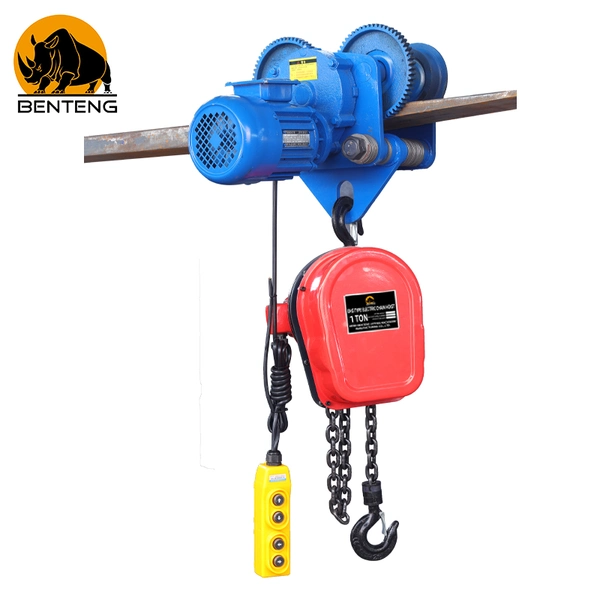
Pre-Operational Daily Checks Before Each Shift
Operators must perform visual and functional checks before every working shift to catch immediate defects. These routine inspections take only a few minutes but safeguard personnel from sudden mechanical failures. Workers should observe the hoist movement for unusual noise, grinding sounds, or sluggish motor response. Any erratic behavior during lifting or lowering operations mandates an immediate shutdown for maintenance review.
Visual evaluations begin with the load-bearing accessories, including the hook, chain, or wire rope. Operators must check for cracks, nicks, or twisted links on chains before attaching any loads. The safety latch on the hook must close fully without mechanical obstruction or spring fatigue. Control pendants require testing to verify that emergency stop buttons instantly cut power to the hoist motor. Wire rope lines must rest correctly within drum grooves without crossing, overlapping, or showing signs of bird-caging. Checking lubrication levels on exposed moving parts prevents premature metal friction during heavy lifting cycles.
Frequent Monthly Inspections for High-Wear Components
Routine monthly audits involve more rigorous scrutiny by trained maintenance technicians who inspect high-wear internal and external parts. Technicians examine mechanical brakes to ensure stopping distances remain within manufacturer specifications. Brake linings wear down over thousands of lifting cycles, requiring precise measurement to prevent slippage. When businesses upgrade or maintain their production lines, sourcing reliable equipment from professional electric hoist solutions ensures long-term operational reliability.
Load chains and wire ropes demand detailed physical measurements during monthly checks. Technicians measure chain pitch elongation using specialized gauges to verify wear does not exceed allowable limits. If a chain link stretches beyond standard wear percentages, technicians must replace the entire segment immediately. Wire rope examinations focus on counting broken wires within a specific lay length, checking for corrosion, and identifying core damage. Pulleys, sheaves, and drums must spin freely without excessive groove wear that could abrade the steel cable. Lubricating these components with high-temperature industrial grease reduces operational friction and thermal degradation.
Periodic Annual Comprehensive Examinations and Load Testing
Annual inspections require certified engineers to conduct in-depth disassembly, non-destructive testing, and static load testing. These thorough evaluations reveal internal fatigue cracks, gear wear, and structural weld integrity that routine visual checks miss. Facilities utilizing heavy-duty electric wire rope hoist units must adhere to strict statutory testing intervals to maintain workplace safety accreditations.
Engineers use magnetic particle inspection or ultrasonic testing to detect microscopic cracks in load hooks, axles, and load-bearing structural frames. Gearboxes are opened to inspect gear teeth pitting, scoring, or misalignment caused by sustained overloading. Motor insulation resistance tests prevent electrical short circuits caused by moisture accumulation or thermal breakdown in winding coils. Following mechanical overhauls, technicians apply a test load equal to 125 percent of the rated capacity to verify structural integrity under extreme stress. This controlled overload test proves that mechanical brakes and structural frames can handle peak operational demands without permanent deformation.
Testing Electrical Systems and Overload Protection Devices
Electrical integrity forms the backbone of reliable overhead material handling equipment. Maintenance teams must inspect control panels, contactors, wiring harnesses, and limit switches for signs of arcing, dust accumulation, or moisture ingress. Industrial environments often feature airborne debris that infiltrates electrical enclosures and causes relay failures. Technicians verify that all grounding connections remain secure to protect operators from electrical shock hazards during wet or humid operating conditions.
Overload limiters represent a critical safety defense mechanism that prevents hoists from lifting weights beyond their safe working load limit. Facilities operating advanced electric chain hoist systems must calibrate overload sensors annually using certified calibration weights. If an overload sensor fails to trip, the hoist motor can burn out or structural components can fail catastrophically. Technicians also test upper and lower travel limit switches by manually tripping the actuator arms before the hook block makes contact with the hoist body. Ensuring these electrical cutoffs function properly prevents motor burnout and structural damage.
Maintaining Rigorous Inspection Documentation and Compliance Records
Detailed record-keeping is a mandatory requirement for regulatory compliance and proactive asset management. Plant managers must maintain historical logs for every hoist, documenting inspection dates, component replacements, repair actions, and load test results. Comprehensive maintenance logs provide valuable data for predicting component lifespans and scheduling preventative maintenance before unexpected breakdowns occur.
Regulatory bodies such as OSHA and ASME mandate that inspection records remain accessible for review during safety audits. Technicians should sign and date every maintenance sheet, noting specific wear measurements for chains, ropes, and brake discs. When component replacements occur, maintenance teams must record the serial numbers and specifications of replacement parts to ensure full traceability. Proper documentation protects the enterprise from liability issues and demonstrates a proactive commitment to workplace safety standards.
| Inspection Type | Frequency | Primary Focus Areas | Responsible Personnel |
| Pre-Operational Check | Daily / Per Shift | Hooks, latches, pendants, wire ropes, rope drums | Hoist Operators |
| Frequent Inspection | Monthly | Brake linings, chain pitch, wire rope strands, sheaves | Maintenance Technicians |
| Periodic Audit | Annually | Gearboxes, motor insulation, structural welds, NDT | Certified Engineers |
| Load Test | Annually / Post-Repair | Overload limiters, brake holding capacity at 125% load | Qualified Inspectors |
Caption: Standard inspection hierarchy, frequencies, and responsibilities for industrial electric hoists.
Contact our engineering team today via our contact page to discuss custom heavy-duty lifting requirements for your facility.
Frequently Asked Questions About Electric Hoist Inspections
How often must an industrial electric hoist undergo a certified load test?
Industrial electric hoists generally require a certified load test upon initial installation, following major mechanical repairs, and at least annually during periodic structural evaluations.
What are the rejection criteria for a wire rope hoist line?
A wire rope must be removed from service immediately if inspectors find ten randomly distributed broken wires in one lay length, or five broken wires in one strand within one lay length.
Who is legally qualified to perform periodic annual hoist inspections?
Periodic annual inspections must be performed by designated qualified personnel or certified third-party inspection engineers who possess formal training in lifting equipment mechanics and safety standards.
Can facility operators perform internal gearbox repairs?
Routine lubrication and external adjustments are suitable for plant maintenance staff, but internal gearbox overhauls require specialized tools and factory-trained technicians to maintain equipment warranties.
Benteng specializes in the engineering, production, and global export of heavy-duty lifting machinery. Operating a modern manufacturing facility equipped with automated production lines, CNC machining centers, and strict load-testing rigs, the company provides certified quality and direct factory support to industrial clients across more than fifty countries.
References:
- Occupational Safety and Health Administration (OSHA). Standard 1910.179 – Overhead and Gantry Cranes. https://www.osha.gov/
- American Society of Mechanical Engineers (ASME). ASME B30.16 – Overhead Hoists (Underhung). https://www.asme.org/