

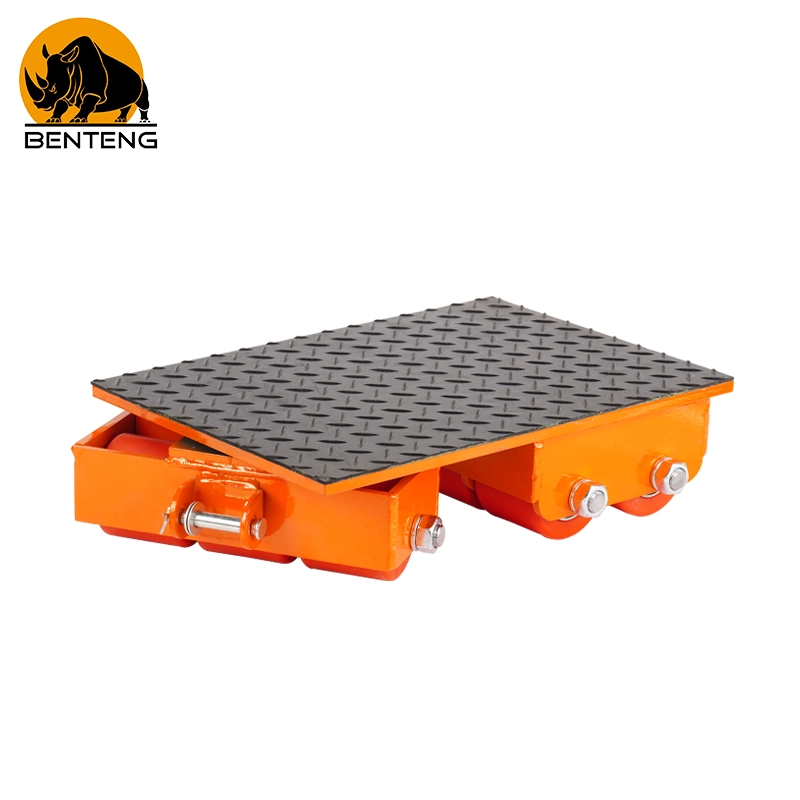
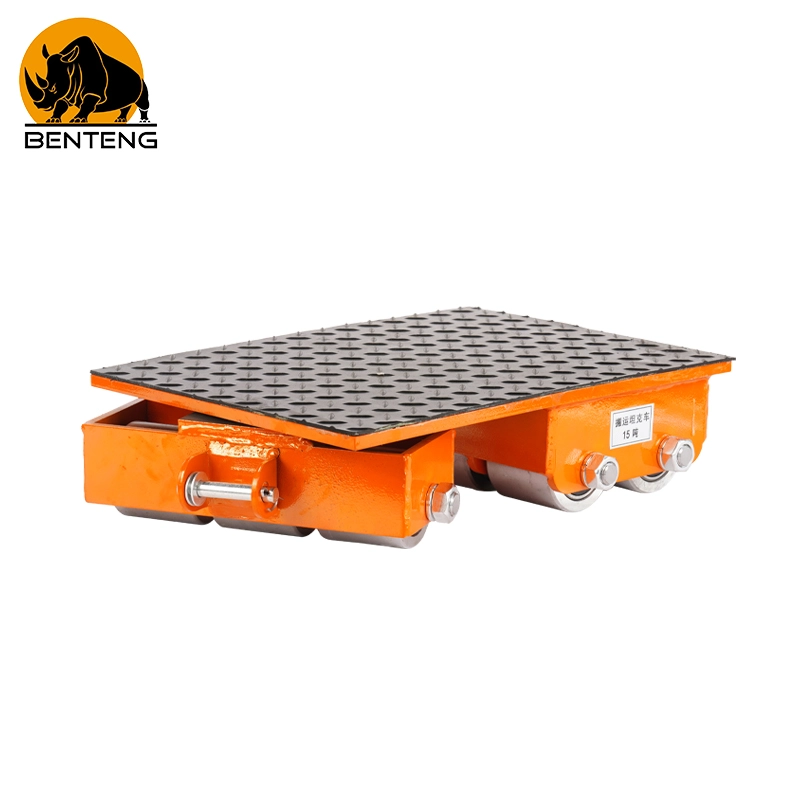
180 Degree Machinery Moving Skates
180 Degree Machinery Moving Skates Description
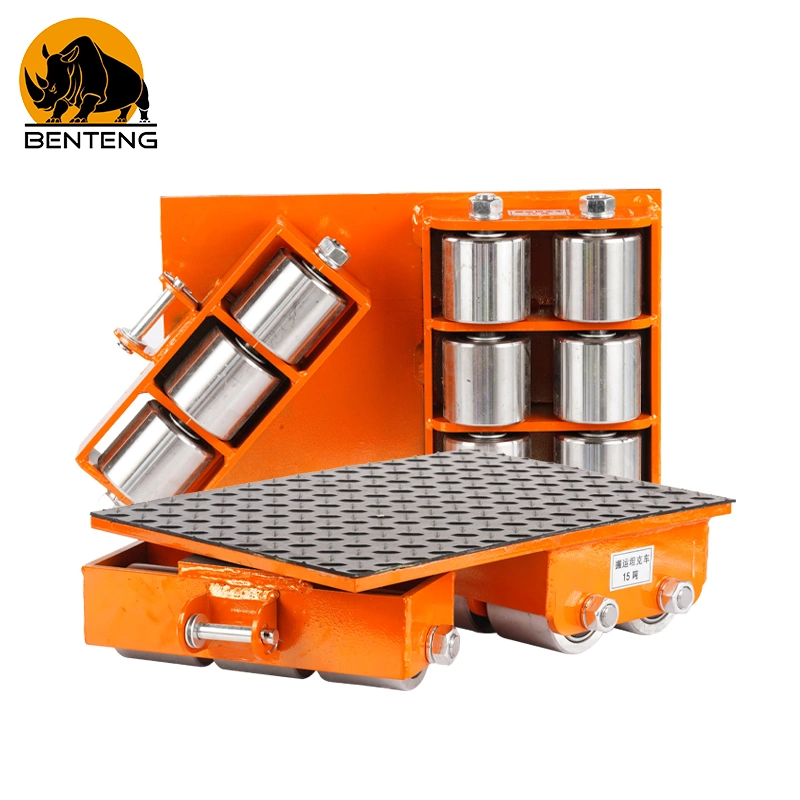
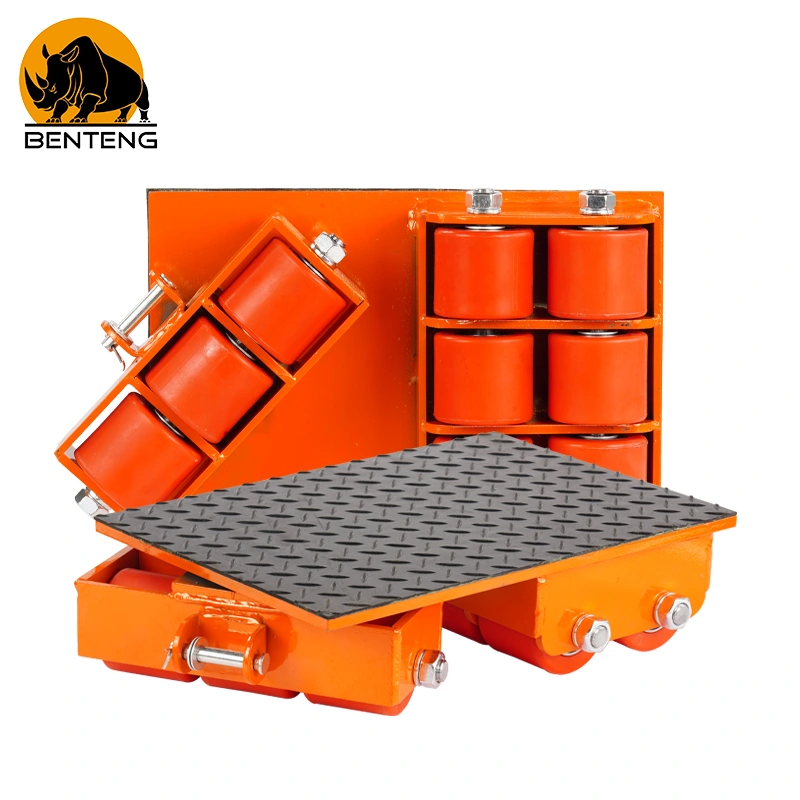
180 Degree Machinery Moving Skates are designed for transporting heavy machinery, molds, and industrial equipment with precise directional control. Featuring rotating steering mechanisms, heavy-duty rollers, and reinforced steel frames, these skates allow operators to move oversized loads safely in factories, workshops, and confined spaces.
Operated individually or in modular combinations, this professional heavy duty machine skates series serves as an efficient solution for equipment relocation, production line installation, and heavy freight transport, establishing essential material handling tools for global industrial operators.
Product Specifications
| Capacity | Plastic Wheel Net Weight (kg) | PU Wheel Net Weight (kg) | Steel Wheel Net Weight (kg) | Wheel Quantity | Product Size (mm) |
| 3T | 7 | 8 | 9 | 2 | 110 × 226 × 100 |
| 6T | 12 | 14 | 16 | 4 | 213 × 275 × 110 |
| 8T | 16 | 19 | 21 | 6 | 213 × 366 × 110 |
| 12T | 17 | 21 | 24 | 8 | 295 × 366 × 110 |
| 15T | 23 | 27 | 31 | 9 | 295 × 416 × 110 |
| 18T | 29 | 34 | 40 | 12 | 295 × 508 × 110 |
| 24T | 40 | 48 | 55 | 16 | 378 × 573 × 110 |
| 32T | 56 | 65 | — | 20 | 380 × 665 × 112 |
| 40T | 68.8 | 80.5 | — | 26 | 463 × 665 × 112 |
| 50T | 82.3 | 95.8 | — | 30 | 543 × 665 × 112 |
Applications of Machinery Moving Skates
-
Factory Relocation: Transporting CNC machines, stamping presses, and production line machinery.
-
Power Industry: Moving high-capacity electrical transformers, industrial generators, and power distribution equipment.
-
Heavy Manufacturing: Positioning large industrial molds, boilers, and pressure vessels.
-
Shipbuilding & Construction: Handling heavy structural components and specialized machinery in confined spaces.
Steering Design for Flexible Heavy Load Movement
The primary competitive edge of these skates lies in their advanced multi-directional steering capability, enabling seamless navigation through tight factory environments:
-
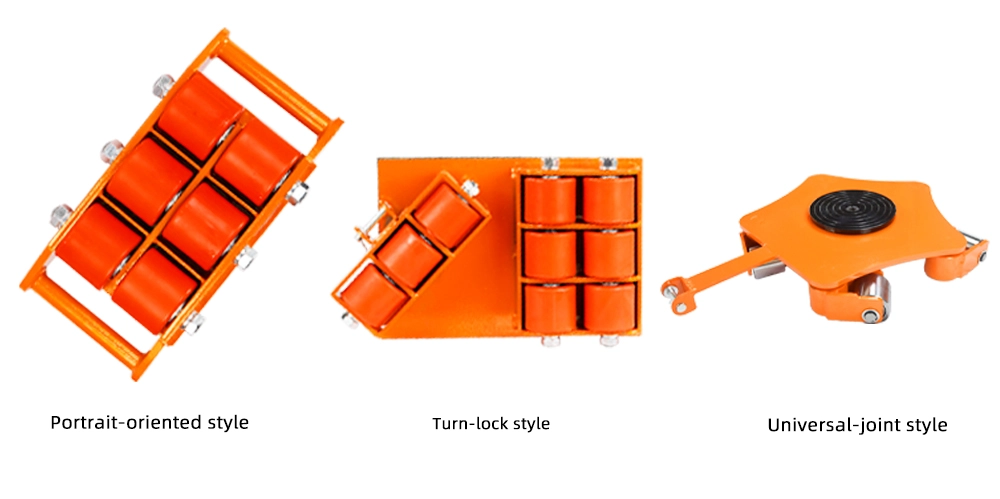
Standard Roller Style: Optimized for straightforward, linear transportation with maximum load stability.
-
Lockable Steering Style: Incorporates an adjustable locking mechanism allowing operators to lock or release directional steering angles on the fly for controlled path adjustments.
-
Universal Joint Steering Style: Features a rotating turntable disc and a pull-handle universal joint connector designed for multi-directional rotation, tight spaces, and complex route navigation.
Straight-Line and Steering Transport Solutions
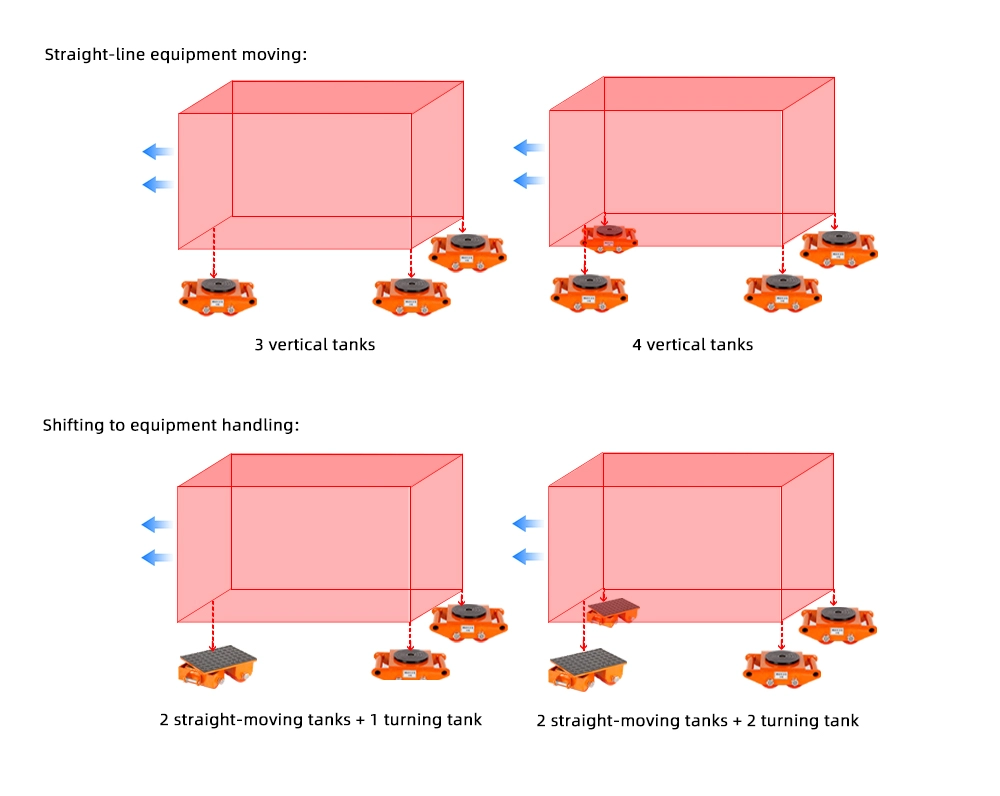
To achieve optimal stability and maneuverability, these machinery skates can be configured into different structural layouts based on transport requirements:
1. Straight-Line Transport Configuration
-
3-Skate Triangle Support: Three skates arranged in a triangular layout provide stable weight distribution for straight movement.
-
4-Skate Corner Support: Four skates positioned under each corner provide balanced support for large rectangular equipment.
2. Steering Configuration
-
Front Steering Layout: Combines standard straight-line roller units with a single front turning unit to enable controlled steering and path corrections.
-
Dual Steering Layout: Features dual steering units paired with dual straight-moving skates for maximum directional flexibility and complex factory relocations.
PU and Steel Wheel Options for Different Surfaces
Select the appropriate wheel configuration based on the weight of the goods and the surface conditions of the transport route:
-
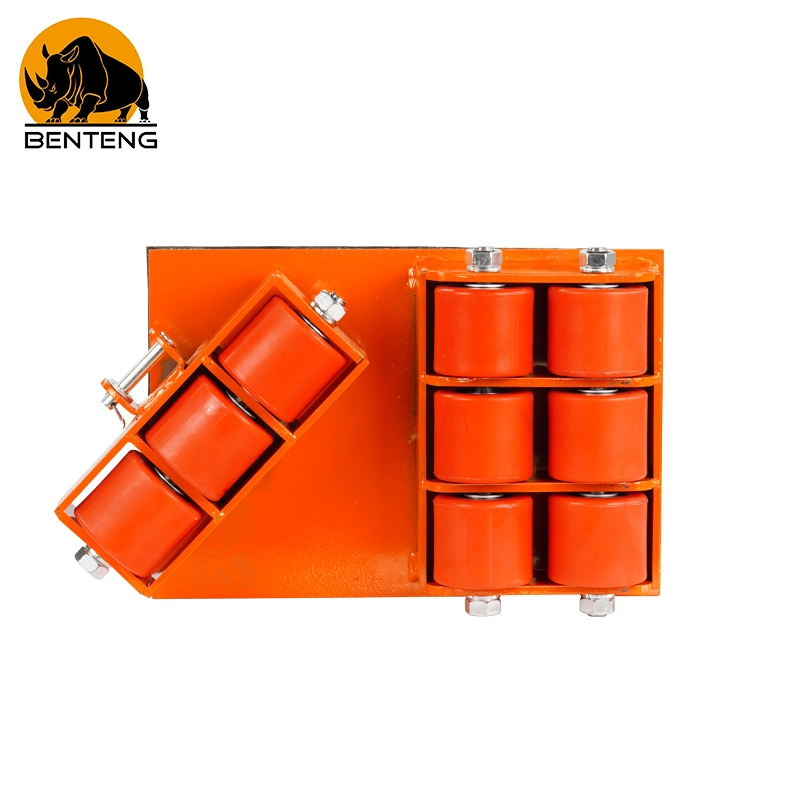
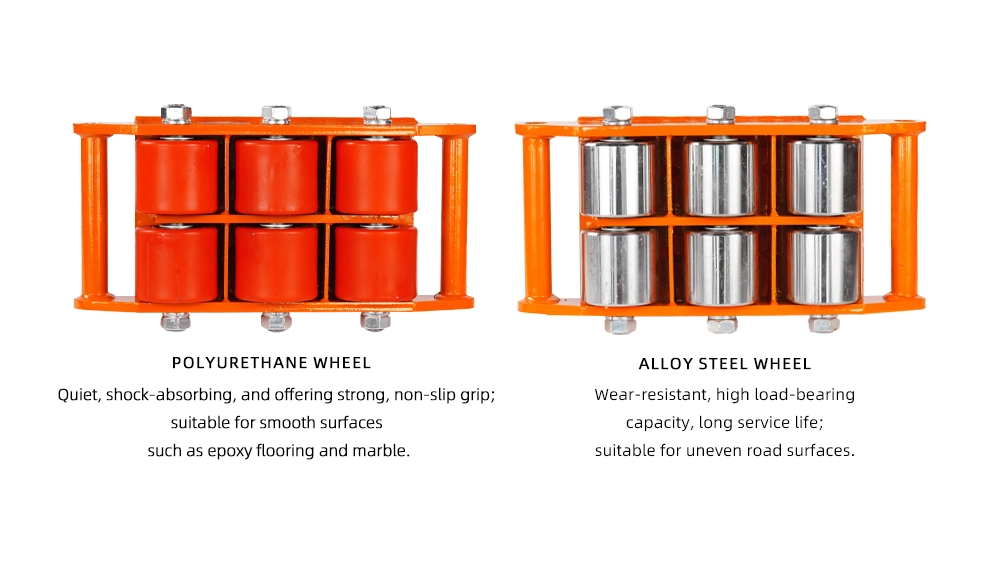
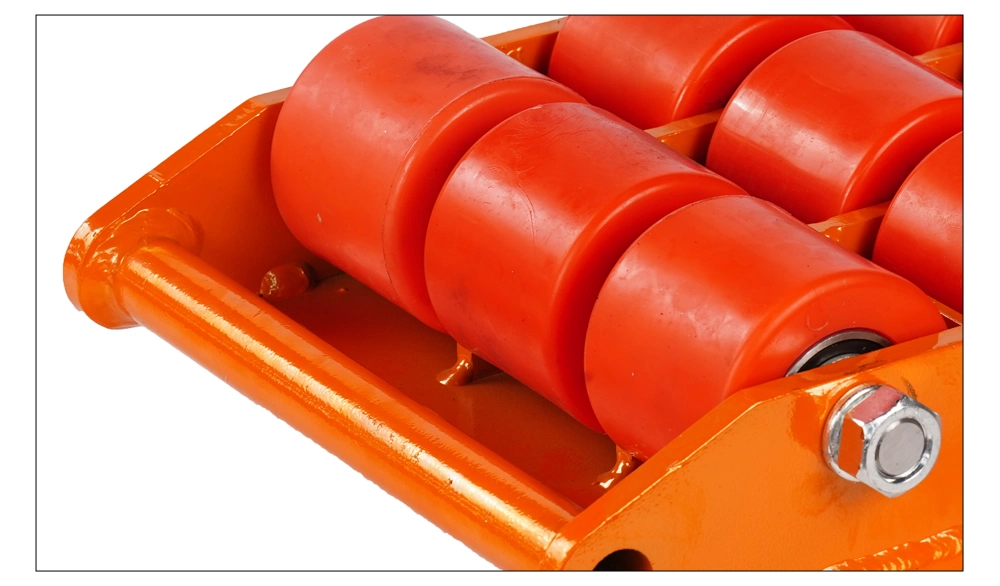
PU Wheels for Indoor Industrial Floors: Quiet, shock-absorbing, and offering a strong, non-slip grip; ideal for smooth surfaces such as epoxy flooring, polished concrete, and marble.
-
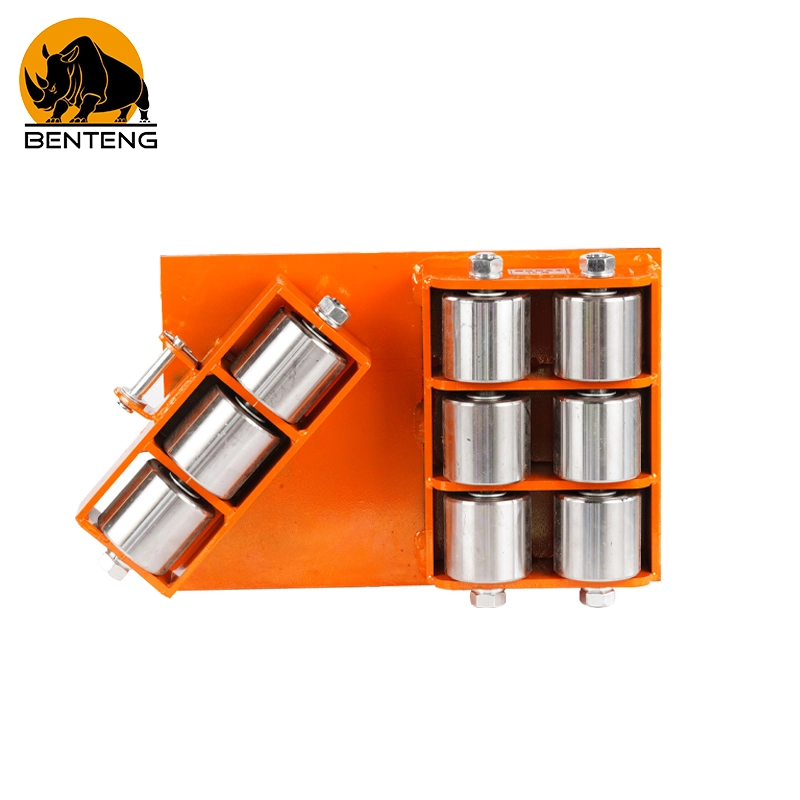
Steel Wheels for Heavy-Duty Applications: Highly wear-resistant, high load-bearing capacity, and long service life; built tough for rough or uneven outdoor road surfaces.
| Wheel Type | Recommended Application | Key Characteristics |
| PU Wheel | Factory floors, epoxy floors, warehouses | Quiet, shock-absorbing, floor-protecting |
| Steel Wheel | Outdoor areas, uneven surfaces, heavy loads | Highly wear-resistant, maximum durability |
Product Highlights
-
Surface Adaptation: Adapts to various floor surfaces for effortless, stress-free transport.
-
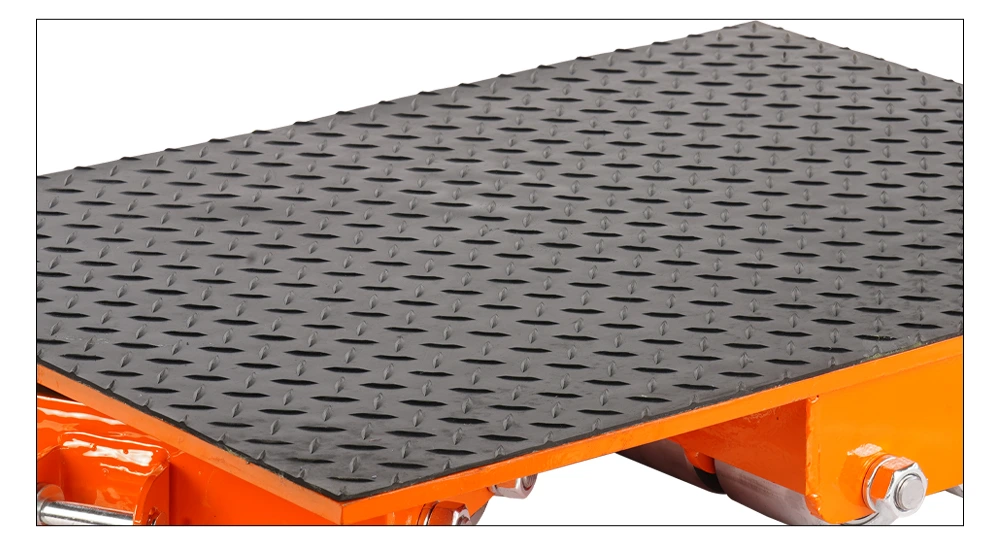
Non-slip & Secure Fit: Non-slip, wear-resistant design; fits snugly against the cargo to prevent shifting or detachment.
-
Reinforced Steel Frame: Reinforced and thickened throughout for high load-bearing capacity.
-
Flexible Selection: Select one of the following configurations based on the weight of the goods and the surface conditions of the transport route.
-
Complete Specifications: Complete range of specifications; select according to your needs.
How to Choose the Right Machinery Skates
| Consideration | Recommendation |
| Load Weight | Select a weight capacity rating higher than the total equipment weight. |
| Moving Direction | Choose steering and universal-joint models for frequent direction changes. |
| Floor Condition | Opt for PU wheels for indoor finished floors; choose steel wheels for rough terrain. |
| Equipment Shape | Use multiple skates in a 3 or 4-point layout for oversized or rectangular loads. |
Frequently Asked Questions
Q1: What are 180 degree machinery skates used for?
A: They are engineered for the safe, precise transport, positioning, and relocation of heavy machinery, industrial molds, and oversized equipment in restricted spaces.
Q2: How do machinery skates move heavy equipment?
A: They distribute heavy loads onto high-strength rollers and precision bearings, drastically reducing friction and allowing heavy objects to be pulled or steered smoothly across floors.
Q3: What is the difference between PU wheels and steel wheels?
A: PU wheels protect smooth indoor floors (like epoxy or marble) and provide quiet operation, while steel wheels offer maximum durability and wear resistance for rough or uneven surfaces.
Q4: Can machinery skates be used in confined spaces?
A: Yes. They are specifically designed for environments where large-scale lifting equipment like cranes or forklifts cannot operate.
Q5: How many skates are required for moving heavy machinery?
A: Typically, 3 skates form a stable triangular support, while 4 skates (one under each corner) provide balanced support for rectangular equipment. Steering models can be added for directional control.