
How to Install an Electric Winch on a Boat Trailer: A Practical Guide for Buyers and Operators
September 2, 2026
Installing an electric winch on a boat trailer requires more than bolting the winch onto the trailer frame. The mounting position, pulling capacity, battery system, wiring, cable alignment, and bow connection all affect performance and safety. A correct installation starts with selecting an electric winch that matches the boat and trailer configuration. You then need a rigid mounting point, suitable power supply, protected wiring, and a controlled pulling path. For example, a 6,000 lb boat may require a winch with a suitable boat capacity rating rather than a unit selected only from its maximum line pull. The installation should also keep the cable or strap aligned with the boat centerline and prevent side loading. For commercial operators, trailer manufacturers, and equipment buyers, these factors determine whether the winch performs reliably during repeated loading cycles.
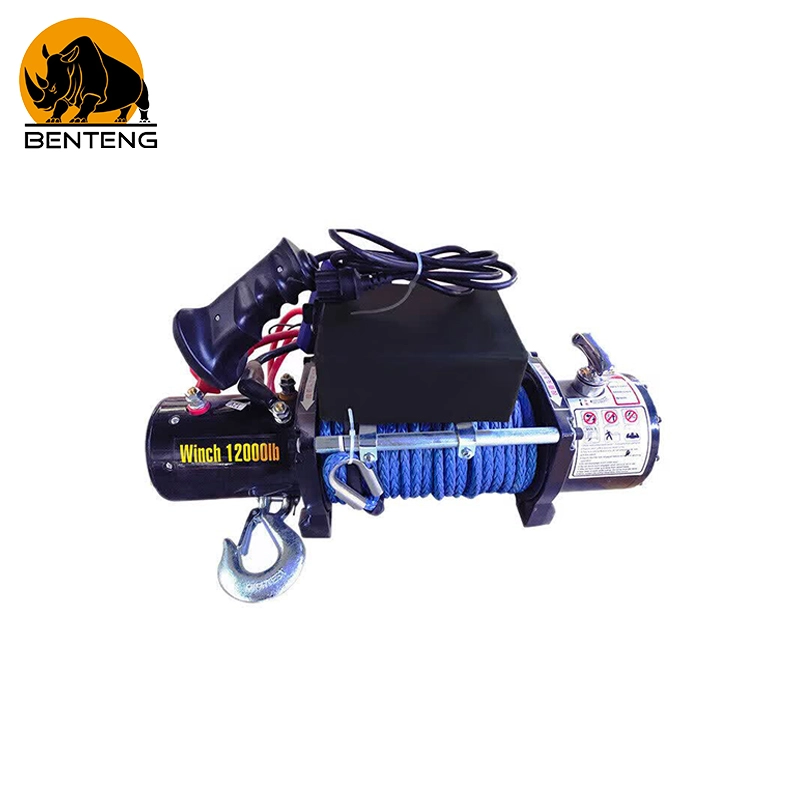
1. Choose the Right Electric Winch Before Installation
The first installation decision happens before any tools come out. You need to determine the required winch capacity, power source, mounting arrangement, line type, and operating frequency.
An electric winch converts electrical power into controlled pulling force. The motor drives a gear system and rotates a drum. The drum winds a cable or strap toward the winch.
Boat trailers create a different working condition from vehicle recovery applications. The boat normally moves along bunks or rollers. Water can reduce part of the effective load, but the ramp angle and trailer geometry still affect pulling resistance.
Calculate the Required Pulling Capacity
Do not select a winch only by comparing its headline capacity with the boat’s total weight.
Consider these factors:
- Boat weight
- Trailer weight
- Ramp angle
- Bunk or roller resistance
- Boat hull design
- Loading condition
- Frequency of operation
- Required safety margin
- Winch mounting geometry
A useful starting point is to identify the combined boat and trailer weight. Then review the manufacturer’s rated boat capacity and installation instructions.
Some trailer winch suppliers use a general guideline based on a percentage of total boat weight. However, the correct ratio depends on the application and winch design. A steep ramp can create a different load from a shallow ramp.
For example, assume a boat weighs 5,000 lb and the trailer weighs 1,200 lb. The combined weight reaches 6,200 lb. You should not automatically select a 6,200 lb winch.
Instead, check the winch manufacturer’s boat rating and the actual loading conditions. Also consider whether the boat enters the trailer partly under its own momentum or requires the winch to pull most of the load.
For industrial buyers, this distinction matters. A winch that works for occasional recreational use may not suit frequent commercial loading.
Match the Winch Type to the Application
A standard electric winch can handle many boat trailer applications. Larger boats may require a heavy duty electric winch with higher line capacity and a stronger mounting structure.
An electric lifting winch may also suit projects where controlled lifting or pulling forms part of a wider material handling system. However, boat trailer applications require equipment designed for the actual load path.
An electric wire rope winch uses steel wire rope instead of a fabric strap. This configuration can provide a durable pulling medium for demanding applications. The drum, fairlead, hook, and mounting plate must all match the wire rope system.
For broader industrial applications, you can also compare an industrial winch when your project involves equipment handling beyond ordinary trailer loading.
Check the Trailer Structure
The winch rating means little if the trailer cannot withstand the pulling force.
Inspect the winch stand, tongue, cross members, mounting plate, and fastener locations. Look for corrosion, cracks, deformation, or previous repairs.
A heavy winch can generate significant reaction force at the mounting point. The mounting structure should transfer that force into the trailer frame without excessive movement.
Do not attach a high-capacity winch to a thin sheet-metal section unless the trailer manufacturer approves that arrangement.
2. Prepare the Mounting Position and Hardware
Once you select the winch, prepare the trailer before installing the equipment.
The winch normally sits near the bow stop on the front section of the trailer. The exact position depends on the trailer design and winch dimensions.
The drum should align with the boat’s bow eye. The cable or strap should travel toward the bow eye without excessive horizontal or vertical deviation.
Check the Pulling Line
Cable alignment is one of the most important installation details.
A straight pulling path reduces side loading on the drum and fairlead. It also helps the cable or strap wind evenly across the drum.
A misaligned winch can create several problems:
- Uneven cable winding
- Edge loading on the fairlead
- Increased wear
- Reduced pulling efficiency
- Possible cable damage
- Additional load on mounting hardware
Before drilling any holes, place the winch temporarily on the mounting surface. Attach the cable or strap to the bow eye.
Move the boat and trailer through the expected loading position. Check the pulling path from several angles.
The winch should maintain a controlled line toward the bow eye throughout the loading process.
Mark the Mounting Holes
Use the winch mounting plate as a drilling template when the manufacturer provides one.
Mark each hole accurately. Check the underside of the trailer before drilling.
Avoid brake lines, electrical cables, fuel components, and other equipment.
Use mounting bolts with suitable diameter, grade, washers, and locking hardware. The exact hardware should follow the winch manufacturer’s installation instructions.
After drilling, remove metal chips and protect exposed steel surfaces against corrosion.
Secure the Winch Stand
The winch stand should remain rigid during operation.
Ask a simple question before powering the motor:
Will the winch stand remain stable when the winch reaches its working load?
If the answer is uncertain, reinforce the structure before installation.
A rigid mounting structure improves cable alignment and reduces movement during loading. It also helps prevent repeated stress from loosening the fasteners.
3. Install the Battery and Electrical System
An electric winch requires a suitable power source. The electrical system must support the motor’s current demand without excessive voltage drop.
This part of the installation often causes problems because a trailer connector does not automatically provide enough current for a winch.
A dedicated battery connection usually provides a more suitable arrangement for a trailer-mounted electric winch. The exact configuration depends on the winch rating and installation instructions.
Choose Between Vehicle and Trailer Battery Power
There are two common configurations.
The first configuration connects the trailer winch to the tow vehicle battery. Heavy-gauge positive and negative cables run between the vehicle and trailer.
The second configuration uses a dedicated battery mounted on the trailer. This arrangement can simplify high-current operation because the winch receives power directly from the local battery.
For frequent or heavy winching, a dedicated trailer battery can reduce the electrical load placed on the tow vehicle. It also allows the winch to operate without the tow vehicle providing direct power.
A trailer-mounted battery should sit in a secure and protected location. A suitable battery box can protect the terminals from moisture and physical damage.
For marine applications, consider corrosion exposure when selecting the battery enclosure and electrical connections.
Use Correct Cable Size
Wire size must match the winch’s current demand and cable length.
A larger motor can draw substantial current during heavy pulling. Long cables also increase voltage drop.
Using undersized cable can create several problems:
- Voltage loss
- Slow motor operation
- Excessive heat
- Poor starting performance
- Electrical connection damage
For this reason, do not select cable size from the trailer connector alone. Check the winch manufacturer’s current requirements and wiring specification.
A published installation guide from etrailer also recommends matching wire size to winch amp draw and placing a circuit breaker near the battery.
Install Circuit Protection
A circuit breaker or fuse protects the electrical system from excessive current.
The protective device should match the winch and wiring specifications. Follow the winch manufacturer’s recommended rating.
When a circuit breaker comes with the winch, install it according to the supplied wiring diagram.
For a separately sourced breaker, verify the motor’s maximum current, cable rating, and system voltage before selecting the device.
The protection device should remain accessible for inspection and service.
Connect Positive and Negative Leads
Connect the positive lead to the battery through the specified circuit protection.
Connect the negative lead to the battery negative terminal or an approved grounding point. Follow the manufacturer’s instructions for the specific winch.
Avoid relying on a corroded trailer frame as the only electrical return path unless the winch manufacturer approves it.
Protect cables from sharp edges, moving components, hot surfaces, and pinch points.
Use suitable clamps or cable ties to prevent the wiring from hanging below the trailer.
Consider Battery Charging
A trailer-mounted battery needs a reliable charging method.
Some systems use a dedicated charger. Others use a suitable vehicle charging circuit with additional equipment.
Do not assume that a standard trailer connector can supply enough current to operate the winch. A winch can draw much more current than typical trailer auxiliary circuits can provide.
The charging system should match the battery type and the expected duty cycle.
For commercial operators, document the charging method as part of the trailer equipment specification.
Contact Benteng for electric winch selection and application-specific configuration support.
4. Connect the Cable or Strap and Test the Pulling Path
After installing the mechanical and electrical systems, connect the pulling medium.
The choice between wire rope and strap depends on the winch design and boat trailer application.
A strap can work well for many boat trailer systems. A wire rope may suit applications requiring a steel pulling medium.
Do not mix components without checking compatibility.
Attach the Hook to the Bow Eye
Position the boat correctly on the trailer.
Attach the winch hook to the bow eye according to the hook and strap design.
The connection should remain secure throughout loading.
Inspect the bow eye before applying winch force. Look for corrosion, cracks, deformation, or loose hardware.
The bow eye is a critical load connection. A strong winch cannot compensate for a damaged bow fitting.
Wind the Cable Correctly
The cable or strap should wind evenly across the drum.
Avoid loose loops, twists, folds, and overlapping sections that can create unstable winding.
If you use wire rope, inspect the rope for broken wires, kinks, corrosion, crushing, and birdcaging.
If you use a strap, inspect it for cuts, abrasion, fraying, chemical damage, and stitching defects.
BoatUS recommends replacing worn winch straps instead of reversing and reusing damaged sections.
Perform a Low-Load Test
Do not begin with a full-load pull.
Start with a controlled low-load test. Confirm that the motor rotates in the correct direction.
Check the remote control, wired control, clutch, drum, fairlead, and mounting structure.
Listen for unusual noise.
Watch the cable or strap as it winds onto the drum.
Stop the test if you notice:
- Cable rubbing
- Drum misalignment
- Mounting movement
- Electrical arcing
- Excessive heat
- Abnormal motor noise
- Hook movement
- Uneven winding
Correct the problem before applying a higher load.
5. Complete the Boat Trailer Installation and Safety Checks
The final stage focuses on the complete trailer system.
A winch is only one part of the boat securing system. The boat should remain mechanically secured during transport.
Check the Bow Stop
The bow stop should position the boat correctly against the trailer.
The winch should pull the bow toward the intended stopping point without forcing the boat sideways.
If the winch constantly pulls the boat away from the centerline, inspect the trailer alignment.
The problem may come from the winch position, bow stop position, roller arrangement, or trailer geometry.
Keep a Secondary Boat Connection
Do not treat the winch strap or cable as the only transport restraint.
BoatUS recommends keeping the boat attached to the trailer through the winch and safety chain during launch preparation until the appropriate stage.
A separate bow safety connection can provide additional restraint during transport.
Transom tie-downs also play an important role. They help secure the boat against movement while traveling.
Inspect the Trailer After the First Load
The first full loading cycle provides useful information.
Check the mounting bolts after the initial test and again after several operating cycles.
Look for:
- Loose fasteners
- Cable wear
- Strap abrasion
- Corrosion
- Battery movement
- Damaged terminals
- Cable insulation damage
- Winch stand deformation
If the trailer operates frequently, create a routine inspection schedule.
Installation Checklist
| Item | Checkpoint |
|---|---|
| Winch capacity | Matches boat and trailer application |
| Mounting position | Aligned with bow eye |
| Mounting structure | Rigid and free from damage |
| Fasteners | Correct grade and securely tightened |
| Battery | Correct voltage and adequate capacity |
| Power cable | Correct gauge and protected |
| Circuit protection | Correct breaker or fuse |
| Ground connection | Secure and corrosion-free |
| Cable or strap | Correct type and condition |
| Hook | Securely attached to bow eye |
| Drum winding | Even and controlled |
| Bow stop | Correct boat position |
| Safety chain | Installed and functional |
| Transom tie-downs | Secured for transport |
| Test run | Completed before normal operation |
Electric Winch vs. Electric Lifting Winch for Trailer Applications
Terminology can create confusion when buyers compare winch products.
An electric winch generally describes equipment that uses an electric motor to pull or position a load. The actual application determines the correct configuration.
An electric lifting winch may focus more strongly on controlled lifting or vertical load movement. A boat trailer usually requires horizontal or inclined pulling.
For this reason, buyers should compare load direction, duty cycle, rope capacity, motor power, brake design, mounting arrangement, and control method.
If your project specifically requires a trailer-mounted pulling system, review the available electric lifting winch configurations and compare them with your operating conditions.
The same basic motor technology can serve different applications, but the mechanical arrangement changes significantly.
A winch designed for industrial lifting should not automatically become a boat trailer winch. The load path, mounting structure, duty cycle, and environmental conditions must all match.
How to Avoid Common Electric Winch Installation Problems
Most installation failures come from a small number of recurring issues.
Undersized Wiring
Thin cables can cause voltage drop and excessive heat.
Always check the winch current requirement and cable length before purchasing wiring.
Weak Mounting Points
A high-capacity winch needs a mounting structure that can handle its reaction force.
Reinforce the trailer structure when necessary.
Poor Cable Alignment
A winch mounted at an angle can cause uneven winding.
Align the drum with the bow eye before final drilling.
Inadequate Battery Capacity
A small battery may operate a winch briefly but fail during repeated loading cycles.
For frequent operation, consider a dedicated trailer battery and suitable charging system.
Using the Trailer Connector as the Main Winch Supply
Standard trailer wiring may not support the current required by a high-load electric winch.
Use a dedicated high-current circuit that follows the winch manufacturer’s requirements.
Ignoring Marine Conditions
Boat trailers operate around water, humidity, road spray, and sometimes saltwater.
Protect terminals and connections against corrosion.
Inspect electrical connections more frequently when the trailer operates in coastal environments.
FAQ About Installing an Electric Winch on a Boat Trailer
Can I install an electric winch on any boat trailer?
Not necessarily. The trailer needs a suitable mounting structure and enough space for the winch, battery, wiring, and cable path.
Check the winch dimensions and mounting hole pattern before installation.
How do I determine the right electric winch capacity?
Start with the boat and trailer weight, then consider ramp angle, loading resistance, boat position, and operating frequency.
Always follow the winch manufacturer’s boat capacity rating and application guidance.
Do not select capacity from total weight alone.
Can I power a boat trailer winch from the 7-way connector?
A standard 7-way connector may provide an auxiliary 12 V circuit, but that circuit may not support the high current required by the winch.
A dedicated battery connection is generally more appropriate for high-current winch operation.
Should I use a trailer-mounted battery?
A trailer-mounted battery can be useful for frequent winching.
It provides a local power source and reduces dependence on the tow vehicle battery.
The battery still needs an appropriate charging system.
Do I need a circuit breaker for an electric winch?
Use the circuit protection specified by the winch manufacturer.
Many winch installations use a circuit breaker or fuse on the positive supply line.
The rating should match the electrical system and winch requirements.
Can I use an electric wire rope winch on a boat trailer?
An electric wire rope winch can work when its capacity, drum, fairlead, rope, hook, and mounting structure suit the application.
The wire rope also requires regular inspection.
Do not replace a specified strap with wire rope unless the winch manufacturer permits the change.
How should the cable wind onto the drum?
The cable should wind evenly without severe overlaps, twists, or loose loops.
Keep the pulling direction aligned with the drum.
A fairlead or guide should also match the winch design.
How often should I inspect the winch?
Inspect the winch before use when operating conditions are demanding.
Commercial users should establish a documented inspection schedule.
Pay particular attention to the cable, strap, hook, fasteners, battery terminals, wiring, and mounting structure.
Can an electric winch replace boat tie-downs?
No. The winch should not serve as the only transport restraint.
Use the appropriate safety chain and transom tie-down system for road transport.
What is the main difference between a heavy duty electric winch and a standard model?
The difference can involve motor capacity, gear train design, drum size, line capacity, duty cycle, braking system, and structural strength.
Always compare the complete specification rather than the motor power alone.